Consider Street Marketing for Your Business
Turning Wild Posting NYC Ideas into Structured Success
Why Street Posters Still Beat Digital Ads for Local Buzz
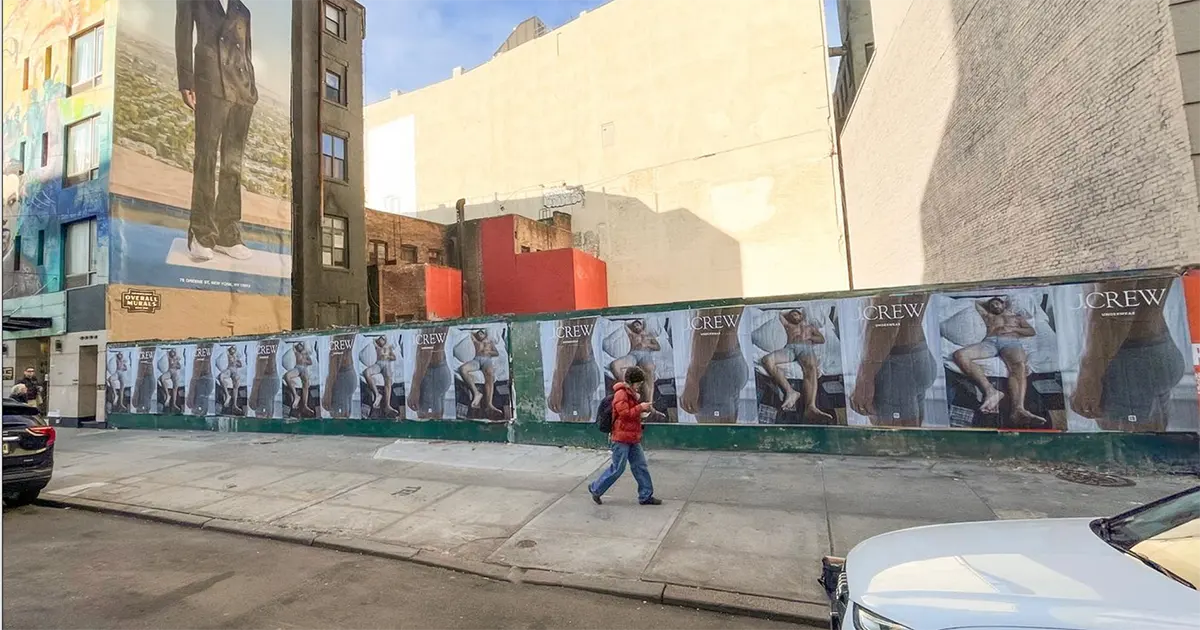
There’s no denying the reach and precision of digital advertising. It can target specific demographic slices, deliver dynamic creative at the push of a button and provide real‑time metrics. Yet despite its strengths, digital advertising often struggles to create the sense of place and community that physical media delivers. Street posters tell a different story. They are literal fixtures in the urban landscape, woven into the fabric of daily life. Their tactile presence invites people to pause, look up from their screens and feel connected to something happening right here, right now. In many ways they embody urban marketing, turning blank walls into community billboards.
Trust the Best Guerrilla Marketing Company Los Angeles Has
The resurgence of print is not just nostalgia; it’s a reaction to digital overload. As people’s attention spans grow more fragmented, the enduring qualities of a well‑designed poster offer unique advantages compared with digital advertising, especially for local businesses seeking to create buzz.
Print Trust and Impact
Consumers trust print more than digital. Studies have found that more than half of consumers trust print ads more than digital media. Furthermore, print captures attention longer; only a small portion of digital ads hold attention for more than a second, while a large majority of readers engage with print ads for several seconds. Neuromarketing research suggests that print advertising requires less cognitive effort to process and achieves higher recall compared with digital. When you paste a series of visually engaging posters along a commuter route, you engage both sides of the brain: art for emotion and copy for logic.
The Power of Local Authenticity
Street posters feel organic to neighborhoods. They transform scaffolding and blank walls into canvases that celebrate community. Practitioners note that eye‑level posters integrate brands into city life, giving them cultural appeal. Locals and tourists alike photograph creative displays and share them on social media, turning physical installations into digital content.
Out‑of‑home advertising remains a backbone of local marketing. Reports show that regional advertisers account for a significant share of revenue for some outdoor media companies. Businesses choose out‑of‑home advertising because they can see their ads in their own neighborhoods, and they know their community sees them too. With digital ads competing for attention across thousands of websites, being literally present on the street can feel more genuine.
Case Studies of Print Success
Real‑world examples illustrate print’s power. A fashion brand used a two‑week wild posting campaign across more than seventy‑five locations in New York and Los Angeles and generated impressions in the tens of millions on a modest budget. A language‑learning company used posters and wallscapes to deliver millions of impressions while spending only a few tens of thousands of dollars. These campaigns turned heads in high‑traffic areas, fostered word‑of‑mouth and drove online engagement via QR codes and hashtags.

Digital Advertising’s Strengths
Digital advertising isn’t the enemy; its precision targeting and real‑time optimization are indispensable for many brands. Targeted display ads use segmentation and geofencing to deliver messages to specific audiences; major ad networks reach a vast majority of internet users. Digital billboards rotate multiple messages and can be updated instantaneously, allowing creativity to be customized by time of day or real‑world events. Online campaigns provide detailed metrics on impressions, click‑through rates and conversions.
However, digital ads often suffer from banner blindness and fleeting engagement. The average consumer scrolls past dozens of ads in minutes. Without integrating a tactile element, digital campaigns can be easily forgotten. Print’s longevity complements digital’s immediacy.
Cost and Flexibility Comparison
Wild posting offers a high return on investment. A poster campaign is far more cost‑effective than other traditional forms of out‑of‑home media. Meanwhile, prime billboards in cities like Los Angeles and New York City can cost ten times as much. Traditional billboards provide twenty‑four‑hour exposure but are expensive and inflexible. Digital billboards offer flexibility but divide attention across multiple advertisers.
By contrast, wild posting saturates a neighborhood at a fraction of the cost, offering full share of voice on a given surface. Brands can test creative concepts on smaller scales before investing in larger buys. Working with a guerrilla marketing company Los Angeles can help brands navigate local regulations and deploy these tactics effectively in the city’s diverse neighborhoods.
Hybrid Strategies Amplify Impact
The debate isn’t print versus digital; it’s how to use both effectively. Print ads drive higher response rates; combining print with digital can improve response dramatically. A hybrid campaign might look like this: Street posters generate intrigue and local awareness, with keywords like “just around the corner” or neighborhood names appearing naturally in the copy to help search engines associate the brand with location‑based searches. QR codes on posters lead to mobile experiences or online promotions, capturing leads and attributing offline impressions to digital engagement. People who visit the landing page can then be retargeted with digital display ads across the web. Geofencing can further reach individuals who have physically passed by an activation. This integrated approach leverages the credibility and memorability of print while capitalizing on digital efficiency. It mirrors how people move through cities and smartphones, making campaigns more holistic.
Paper Beats Pixels When It Comes to Local Buzz
Digital advertising continues to innovate, but street marketing still excels at connecting with people in physical spaces. Posters turn urban landscapes into galleries, encourage community engagement and build trust with audiences who crave authenticity. At the same time, digital provides scale and targeting that print alone cannot match.
The smartest marketers combine the two: they start conversations on the street with evocative poster campaigns, then continue them online through retargeting and social media. In a media environment saturated with pixels, a well‑designed poster is still one of the most powerful ways to be seen.