Stickers That Stick: How Tiny Ads Make a Huge Impact
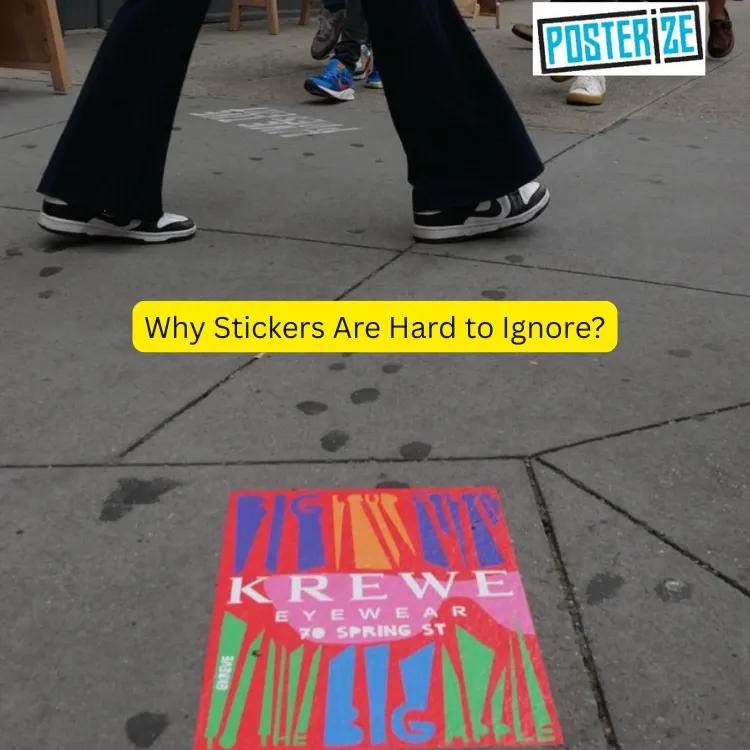
Walk through New York's Lower East Side or Williamsburg, and you'll see sidewalk corners, lamp posts, and mailboxes blanketed in stickers. These tiny canvases carry indie band logos, tech start-up slogans, and even museum logos. They work because they turn everyday objects into shareable content that feels like a secret discovery. In a crowded digital landscape, stickers and wild posting cut through the noise and connect with people at eye level. A wild posting NYC campaign can saturate a neighborhood and still feel organic, especially when the artwork taps into local culture and humor.
Sticker advertising is more than slapping a logo on a pole. It combines psychology, material science, and urban marketing strategy. Effective campaigns understand why tactile ads stick in people's memories, how different adhesives behave over time, and how to handle materials and placements responsibly. Understanding the science and strategy of sticker campaigns, from materials and placement to environmental considerations and ROI, can help harness this low-tech medium without leaving a mess behind.
Why Stickers Are Hard to Ignore
Physical media drives deeper engagement
Researchers have found that physical ads engage the brain more strongly than digital ads. A Temple University study showed higher memory activation and desirability for printed ads. Canada Post found that physical mail requires 21% less cognitive effort to process and yields 75% brand recall, compared with 44% for digital ads. Print marketing is retained longer—people keep mail for an average of 17 days, while emails are often deleted within 1.5 hours.
Out-of-home advertising produces higher recall than television, streaming, radio, and online ads. When people physically hold or peel a sticker, the sensory experience creates memory associations that digital ads can't match. A sticker in front of a coffee shop feels novel in a neighborhood saturated with digital screens.
High reach and low cost
Stickers are inexpensive to produce and distribute. A small budget can generate significant impressions if the creative resonates. A 2023 wild posting case study for fashion brand WESC focused a $20k budget on only two markets (New York City and Los Angeles) and generated roughly 30.9 million impressions in NYC and 10.9 million in LA. Concentrating resources on a few neighborhoods creates saturation without stretching the budget.
Materials, Mechanisms, and Environmental Impact
Adhesives and films
Vinyl and paper stickers use pressure-sensitive adhesives formulated to bond at room temperature. Manufacturers classify removable vinyl into categories.
- Ultra-removable: Can be peeled off easily with less than 5% adhesive residue.
- Removable with heat: Removal requires warming the decal; adhesive residue remains under 10%.
- Removable with heat and chemicals: Removal requires heat and chemical solvents; adhesive residue often exceeds 30%.
- Not removable: Designed for permanent signage; removal damages substrates and leaves significant residue.
High-quality stickers are printed on calendared or cast vinyl films at 300 dpi using eco-solvent inks. Calendared vinyl is thicker and cheaper but may shrink over time, while cast vinyl is thinner and better at conforming to uneven surfaces. Adhesives are typically petroleum-based and release volatile organic compounds during manufacture; researchers are developing bio-based adhesives. When planning a campaign, choose removable adhesives and test on surfaces to avoid damage.
Proper application and removal
Surface preparation is critical. Substrates must be clean, dry, and free of dust or texture. Moisture and dirt reduce adhesion and void the manufacturer's warranty. Immediately before application, wipe the area with isopropyl alcohol and let it dry. For removal, follow manufacturer instructions. Pick up an edge and pull slowly at a 45-degree angle; at temperatures below 50°F (10°C), decals can tear or leave residue.
When adhesive transfer occurs, apply controlled heat with a weed burner or heat gun and peel while hot. For stubborn residue, use citrus-based removers or specialized solvents, waiting 10-15 minutes for the adhesive to bubble before peeling. Improper removal can scratch paint, leave ghosts of adhesive, or tear underlying surfaces. When stickers degrade outdoors, they accumulate dirt and become graffiti.
Use biodegradable materials and schedule cleanup crews to remove them after the campaign.
Environmental considerations
Vinyl stickers are durable but not biodegradable. The petrochemical adhesives and PVC films contribute to microplastic pollution. Paper stickers printed on recycled stock with plant-based adhesives offer a greener option, though they are less durable outdoors. To respect local norms and avoid clutter, do not saturate lampposts and mailboxes, and place stickers in ways that do not obstruct sidewalks or create litter.
Best Practices for Impactful Sticker Campaigns
- Define your audience and message. Focus on one clear idea per sticker, such as a QR code or tagline.
- Choose durable yet removable materials. Use removable vinyl or biodegradable paper to balance longevity with responsible cleanup. Avoid adhesives requiring harsh chemicals.
- Prep the surface properly. Clean and dry surfaces to ensure proper adhesion and avoid voiding the manufacturer's warranty.
- Plan distribution strategically. Saturate key neighborhoods rather than spreading thin across cities. The WESC case showed that focusing a $20k budget on two cities generated tens of millions of impressions.
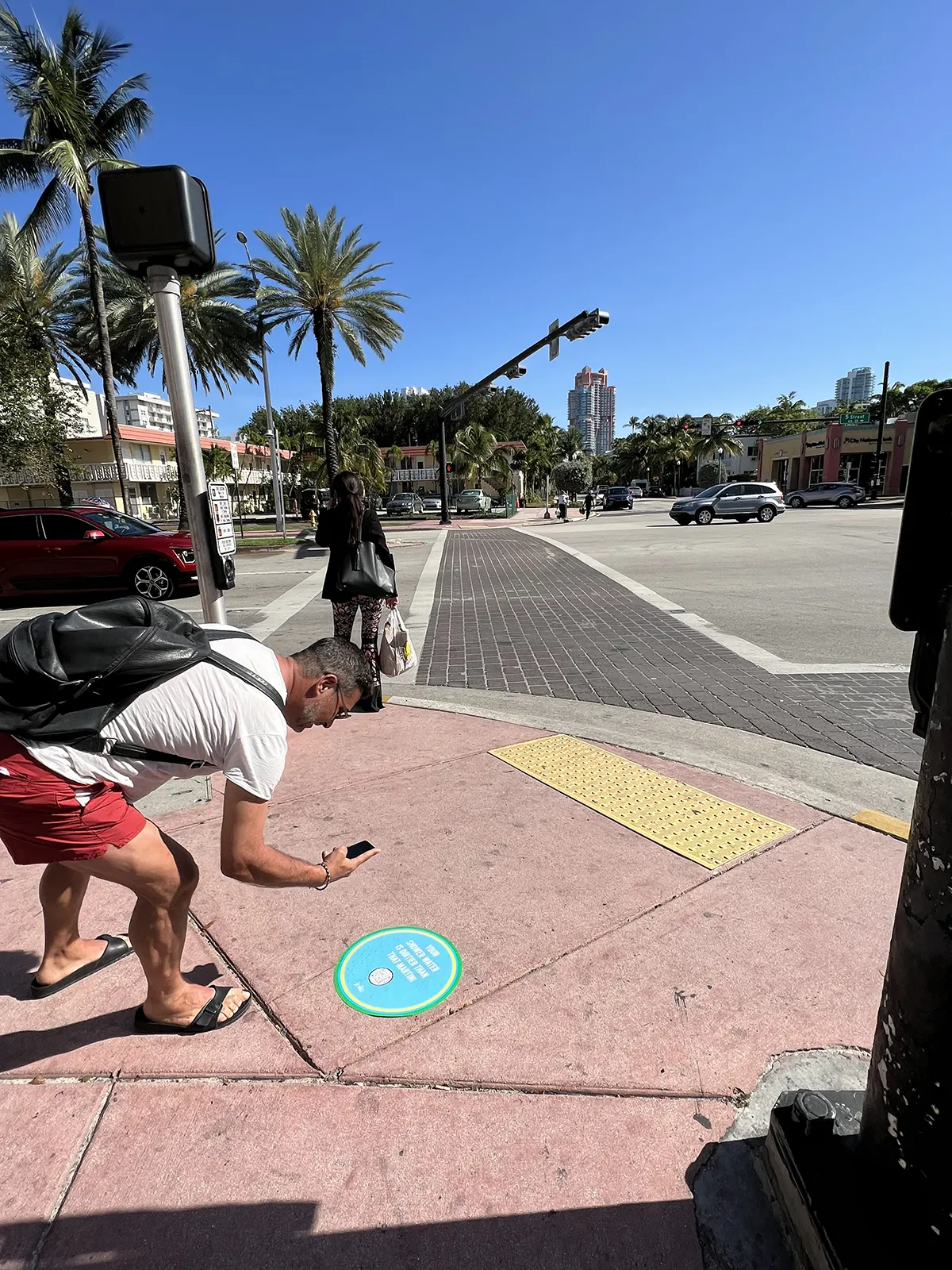
- Track and amplify. Use unique URLs or QR codes and monitor social media to measure engagement. Encourage people to share photos of your stickers.
- Schedule removal. Assign crews to peel off stickers after the campaign and clean residue using manufacturer-approved methods.
Stick to Success
Stickers and wild posting succeed because they're physical, playful, and rooted in the neighborhoods where they appear. They spark curiosity and invite passersby to interact with a brand in real time. When combined with digital touchpoints and executed responsibly—using removable adhesives, coordinating with local communities, and planning cleanup—stickers become a sustainable piece of an urban marketing strategy.