Turning Buildings Into Billboards: A Comprehensive Look at Projection Advertising
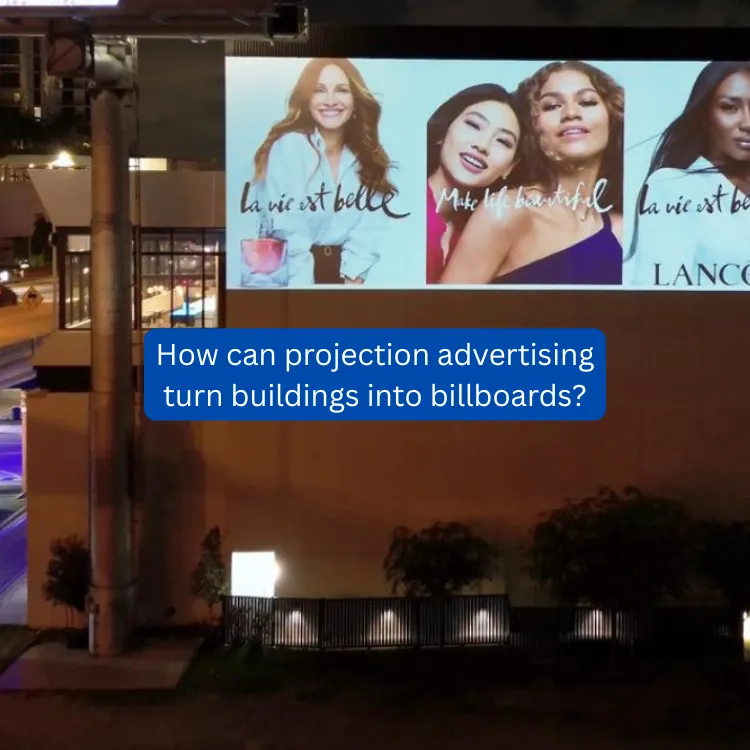
Projection advertising—sometimes called projection mapping—transforms ordinary walls into cinematic canvases. Brands from Nike to Coca-Cola have used high-powered projectors to splash animated stories onto skyscrapers, museums, and even moving vehicles. In building projection advertising campaigns, creative teams scan a surface, build a 3D model, design bespoke animation, and then cast it onto the structure with millimetric precision. The effect stops people in their tracks, sparks social sharing, and positions brands as innovators.
This medium sits at the intersection of art, technology, and guerrilla marketing. A guerrilla marketing company in Los Angeles might light up a Hollywood facade during an album drop or product launch, turning an entire neighborhood into an immersive event. But with great brightness comes great responsibility; projected light touches everything around it. Understanding how the technology works and what it costs is essential before you hit “play.”
How Projection Advertising Works
Mapping, modelling, and playback
Projection mapping uses software to wrap video content onto three-dimensional surfaces. The process involves the following steps:
- Scanning and modelling: Technicians scan the building to create a precise 3D model. This ensures animations align with windows, ledges, and textures.
- Content creation: Designers develop visuals tailored to the surface. Content can be interactive—responding to music or audience movement—or narrative, telling a brand story.
- Equipment setup: High-powered projectors (often 15,000 lumens or more) are positioned to cover the structure. Multiple projectors may be blended to achieve full coverage.
- Calibration and playback: Teams adjust focus and keystone corrections so the projections fit perfectly. Real-time adjustments are often needed to keep images sharp during the event.
Market growth and costs
The projection mapping market reflects growing demand for immersive experiences. Global Market Insights estimates it exceeded USD 3.5 billion in 2023 and will grow more than 23% annually through 2032. Data Bridge Market Research reports that the market was USD 2.8 billion in 2022 and is forecast to reach USD 12.53 billion by 2030, at a 20.5% CAGR. Grand View Research notes a more conservative figure—USD 3.2 billion in 2021 with a 10.9% CAGR through 2030. The differences highlight varying methodologies but agree on rapid growth.
Budgets vary widely. Business.com notes that projection-mapping campaigns typically start in the low six figures because they involve multiple departments: creative, technical, and safety. Costs include projector rentals or purchases, content production, site surveys, generator power, and event staffing. However, the viral potential and earned media often justify the investment. When Quince Imaging projected FIFA World Cup visuals on the U.N. building in 2022, the campaign generated widespread media coverage.
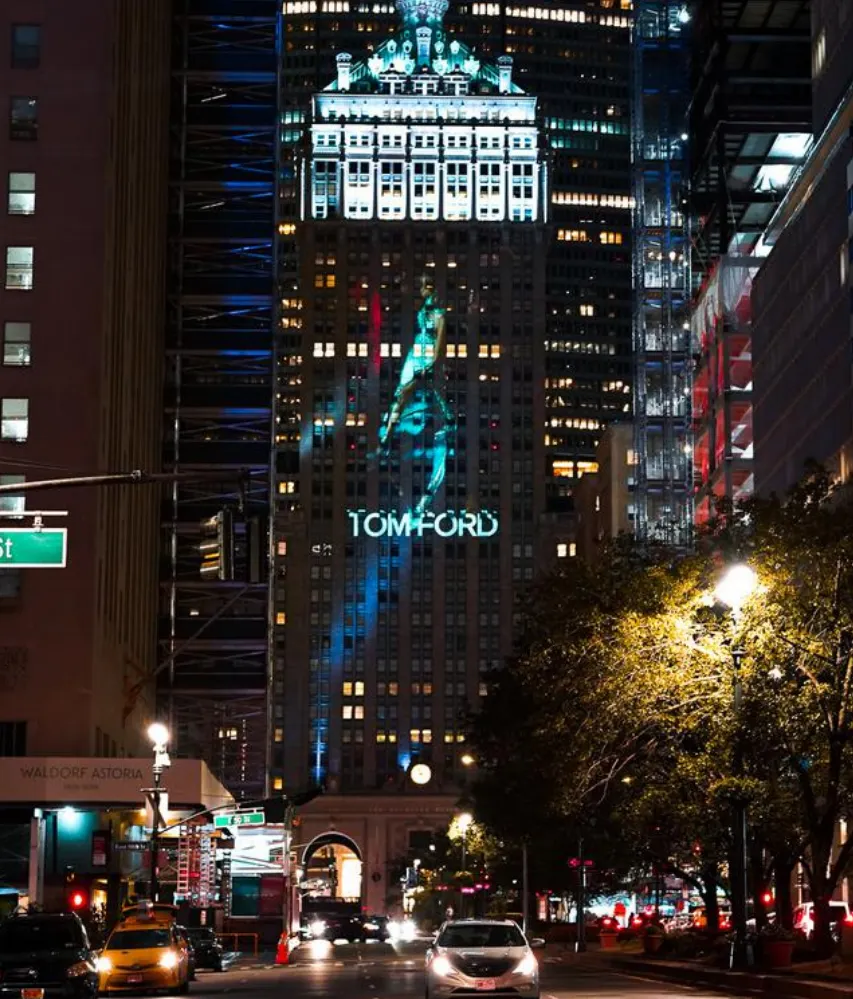
Benefits and Challenges
Why projections captivate
- Immersion and shareability: Projection mapping creates large-scale spectacles that draw crowds and encourage social sharing—people often film and post, amplifying the campaign’s reach.
- Versatility: Surfaces range from historic facades to industrial silos. Portable projectors can turn a billboard into a movie screen at night.
- Real-time adaptability: Content can be updated quickly to reflect trends or events. For example, Coca-Cola’s interactive projection on a Sydney building allowed viewers to “select” a drink on the building and receive a real bottle. Nike has turned stadiums into immersive arenas, and Audi has projected car features directly onto vehicles.
Challenges to anticipate
- High production complexity: Accurate mapping requires 3D scanning and specialized software. Calibration errors can lead to misaligned visuals.
- Environmental factors: Weather, ambient light, and viewing angle affect visibility. OAAA guidelines recommend limiting brightness to 0.3 foot-candles above ambient light and measuring from distances that vary by sign size. Displays must have light sensors to adjust brightness as conditions change.
Best Practices for Successful Building Projections
- Define clear objectives. Decide whether the goal is awareness, engagement, or commerce. This guides creative and budget decisions.
- Partner with specialists. Work with experienced projection-mapping studios or a guerrilla marketing company that understands the technical and logistical demands of this medium.
- Scout and scan sites early. Obtain 3D scans, measure ambient light levels, and plan projector placement.
- Develop creative with context. Content should leverage the building’s architecture and local culture. Include interactive elements like QR codes or audience triggers.
- Address safety and brightness. Incorporate light sensors and ensure brightness does not exceed recommended limits to protect drivers and nearby residents.
- Plan for contingencies. Weather can ruin projections. Have backup dates or indoor alternatives.
- Measure success. Use foot traffic counts, social media metrics, and brand lift surveys to evaluate ROI.
Light Up Your Marketing
Guerrilla marketing company in Los Angeles + NYC and Beyond
Building projections turn the urban landscape into a canvas, inviting audiences to look up. When executed responsibly, with brightness limits and memorable stories, projection advertising delivers unmatched impact. The medium’s rapid growth and increasing accessibility offer brands in Los Angeles and beyond an opportunity to stand out in a visually saturated world. Combining projection with other guerrilla marketing tactics, such as street-level posters and wheatpasting, creates integrated experiences that live both on the street and on social media.