How We Plan a Guerrilla Marketing Campaign (Start to Finish)
Turning NYC Wheatpaste Poster campaign Ideas into Structured Success
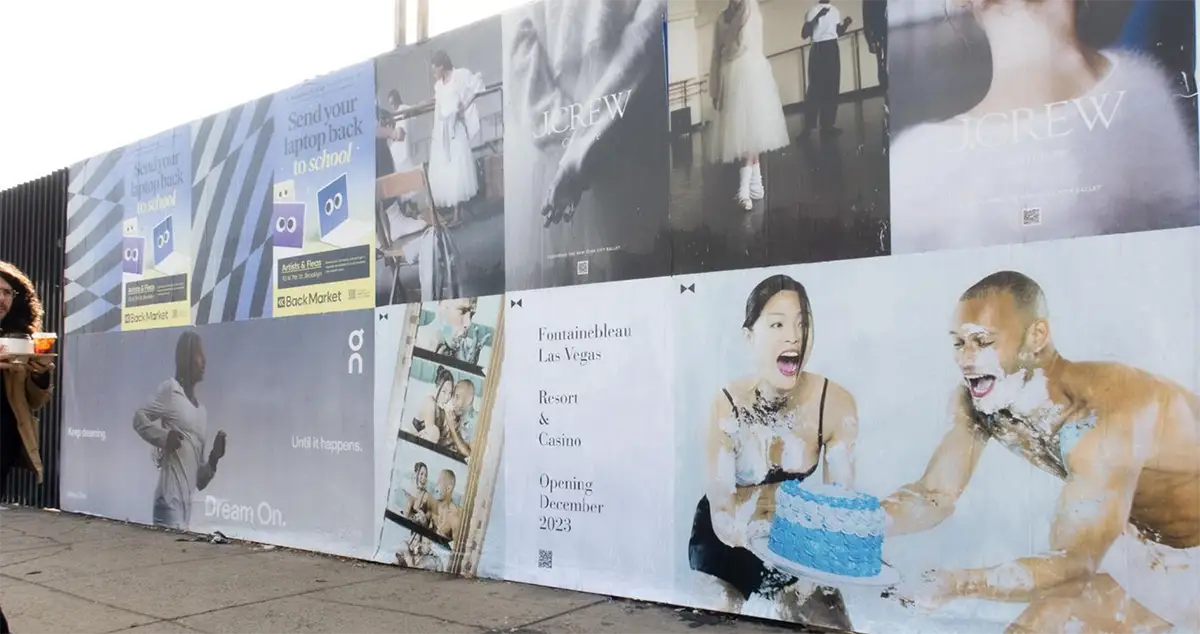
The term “guerrilla marketing” conjures images of flash mobs, pop‑up installations and audacious stunts. But behind every spontaneous activation lies a meticulously engineered process. Success requires blending creative ambition with logistical foresight and data‑driven measurement. Without structure, a guerrilla campaign can easily drift into confusion or controversy.
Careful planning channels the energy of guerrilla tactics into tangible results. Aligning creative vision with budgets and audience preferences explains why experienced agencies treat spontaneity like a science.
Step 1: Know Your Audience Intimately
Every successful campaign begins with empathy. We build detailed buyer personas by exploring demographics, psychographics, media consumption habits and triggers. Social listening, surveys and competitor analysis reveal what resonates and what irritates. Knowing exactly who you’re talking to ensures creativity doesn’t operate in a vacuum.
Step 2: Set Clear Objectives and Key Performance Indicators
Guerrilla campaigns often aim to boost brand awareness, but that’s too vague for performance evaluation. Define specific, measurable goals aligned with your business. Use the SMART framework—Specific, Measurable, Achievable, Relevant, Time‑bound. For instance, aim to increase foot traffic at a pop‑up store by twenty percent over two weeks or to achieve five hundred QR code scans during the first three days. Establishing metrics early helps teams plan resources and evaluate success effectively. Common indicators include impressions, engagement such as QR scans and hashtag uses, lead captures and conversion metrics.
Step 3: Ideate and Select the Format
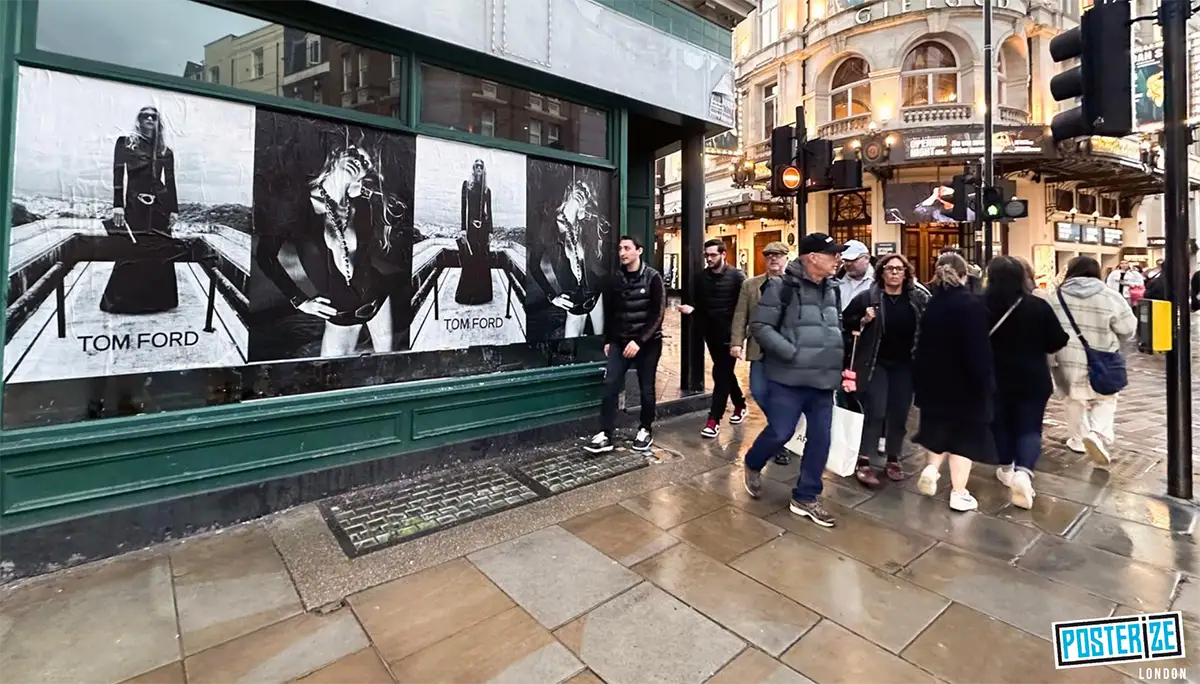
Now it’s time to dream big. Guerrilla tactics span a spectrum—from Wheatpasting NYC campaigns and building projection advertising that light up entire facades to sidewalk chalk stencils, sticker drops and pop‑up experiences. Evaluate each idea against audience insights and objectives. The right format aligns with your brand’s tone and your customer’s daily journey.
Step 4: Production and Activation
With approvals in place, translate your concept into reality. Finalize artwork and signage. For tactile formats like posters, choose durable paper and eco‑friendly inks. For digital projections, create high‑resolution animations and test them at actual scale. Hire street teams or brand ambassadors who embody your brand’s energy and train them on scripts, safety protocols and how to engage passersby without being intrusive. Document the process via photos and videos; this content can be repurposed for social media and case studies.
Step 5: Amplification and Integration
Guerrilla marketing sparks conversation, but modern audiences need clear pathways to continue the dialogue. Integrate your offline activation with online channels by encouraging participants to post photos with a branded hashtag, using geofencing to retarget people who visit the activation and offering digital exclusives accessible via QR codes or near‑field communication tags. Cross‑channel integration amplifies the campaign and provides measurable insights into offline‑to‑online conversions.
Step 6: Measurement and Evaluation
Collect data systematically. Combine qualitative feedback such as street team anecdotes and social sentiment with quantitative metrics like impressions, scans and conversions. Compare performance against your objectives and note unexpected outcomes. Evaluate return on investment beyond numbers; understanding how the campaign influenced brand perception can inform future creative direction. Industry case studies show that campaigns with modest budgets can generate tens of millions of impressions when executed with creativity and focus.
Step 7: Debrief and Iterate
After you dismantle installations and tally metrics, hold a debrief with all stakeholders. Discuss what worked, what didn’t and what surprised you. Document these insights for the next campaign. Continuous learning ensures your guerrilla marketing evolves with audience tastes and local regulations.