Why Focused Wheatpasting NYC Campaigns Create Stronger Brand Recall
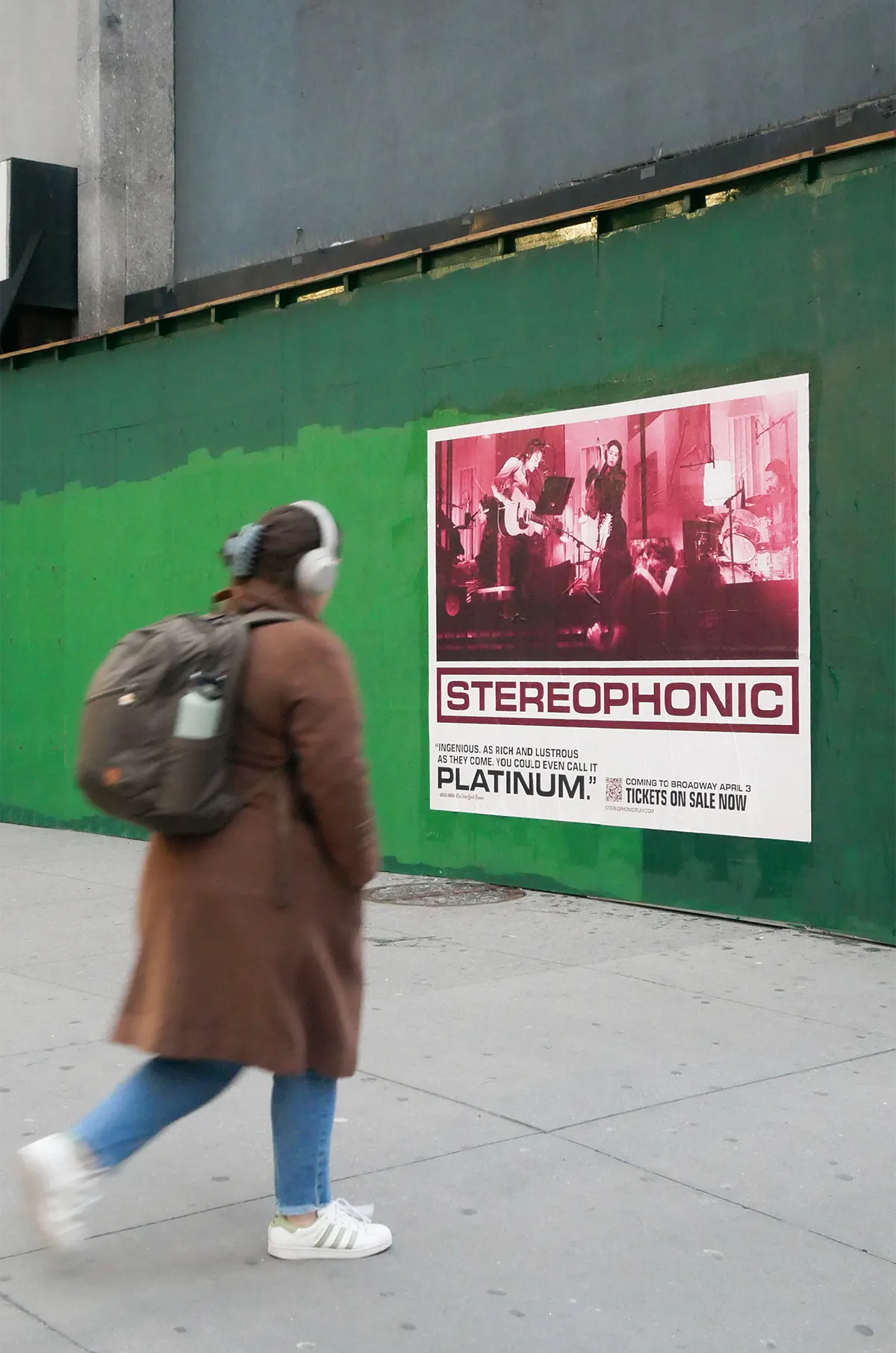
Street poster campaigns often fail without making noise. Paper goes up across multiple neighborhoods, activity feels substantial, and the effort looks real. Weeks later, the message has vanished. No recognition. No recall. No sense that the campaign ever took hold. The issue is rarely creative quality. It is almost always a distribution strategy. Visibility alone does not create memory, and memory is the real work of wheatpasting.
Focused wheatpasting NYC campaigns create stronger brand recall because repeated exposure in the same corridors aligns with how people actually form recognition in dense urban environments. When placement follows real movement patterns instead of surface availability, posters stop feeling temporary and start feeling established.
Memory Is Built Through Repetition, Not First Impressions
People do not decide what to trust the first time they see it on the street. A first encounter is processed as new information and quickly discarded. Recognition begins only after the same message appears again in a similar context.
Cognitive research has long shown that familiarity increases recall and perceived credibility, even when no new information is introduced. The brain interprets repetition as relevance. What feels familiar feels safer, more credible, and easier to remember. This is the foundation of effective wheatpasting. A poster seen once is noise. A poster seen repeatedly along the same daily route becomes a reference point. By the third or fourth encounter, the message no longer competes for attention. It is already known.
In New York, this effect is most evident along true repeat routes. Office commuters moving between Union Square and Flatiron, shoppers looping Broadway between Canal and Prince, and residents traveling the Bedford Avenue spine in Williamsburg all create exposure patterns built on habit. These are not novelty paths. They are daily loops, often walked at the same times, by the same people. When a poster appears along these paths multiple times in a week, recognition forms quickly because the environment itself reinforces the message.
New York Rewards Corridors That Repeat
New York is not an evenly distributed canvas. It is a city of compressed movement. Certain streets carry the same people through the same blocks every day, often multiple times. Public pedestrian reporting from city agencies and business districts consistently shows that a small number of retail and transit corridors account for a disproportionate share of daily foot traffic. Some districts now exceed pre-pandemic daily averages, with tens of thousands of people moving through the same few blocks every day.
That predictability matters because repeat traffic is not just volume. It is a built-in schedule for exposure. When the same audience moves through the same corridor all week, a message has a chance to become familiar rather than fleeting.
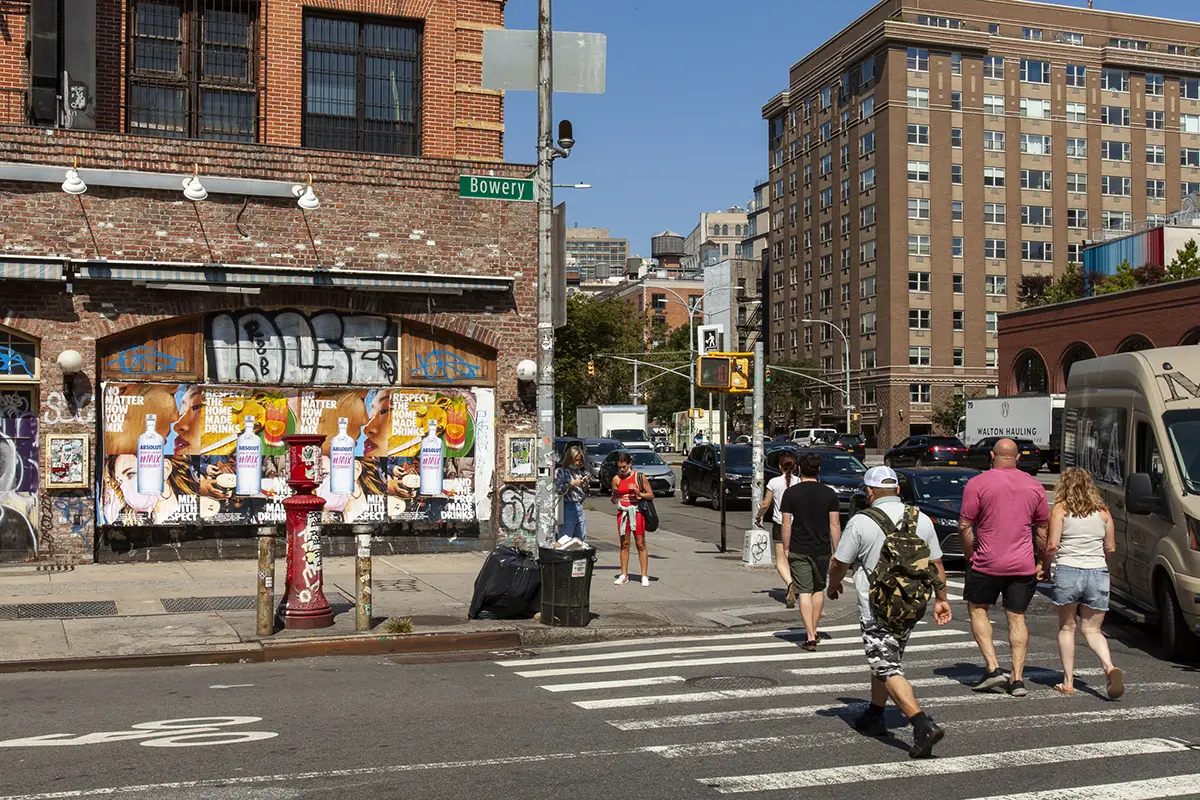
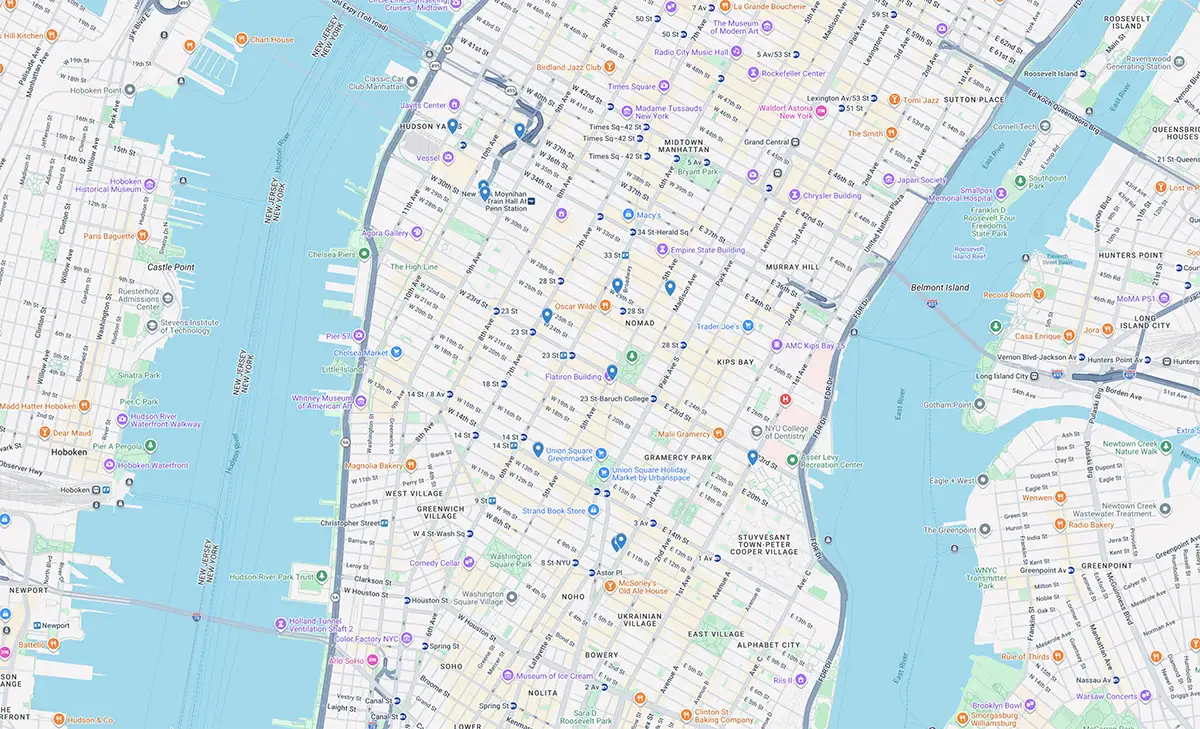
Certain corridors consistently outperform because they stack movement, pause, and visibility into the same blocks. Broadway south of Houston, Lafayette Street heading north through NoLIta, the 14th Street approaches feeding Union Square, and Bedford Avenue near the L train entrance all function as repetition engines. People do not pass through these areas once. They pass through them daily, often on routine schedules that create natural frequency without expanding footprint. Wheatpasting NYC performs best when it commits to these corridors and allows repetition to compound.
Spread-Out Wheatpasting Prevents Recognition from Forming
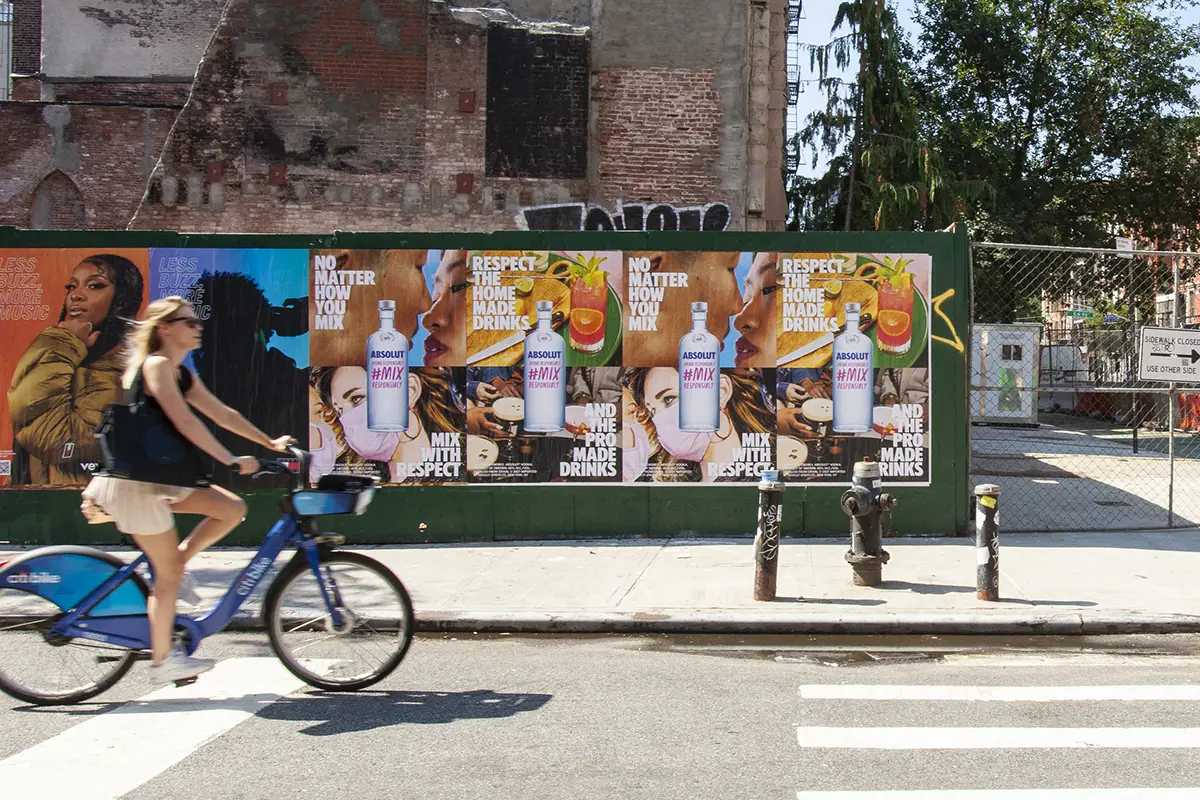
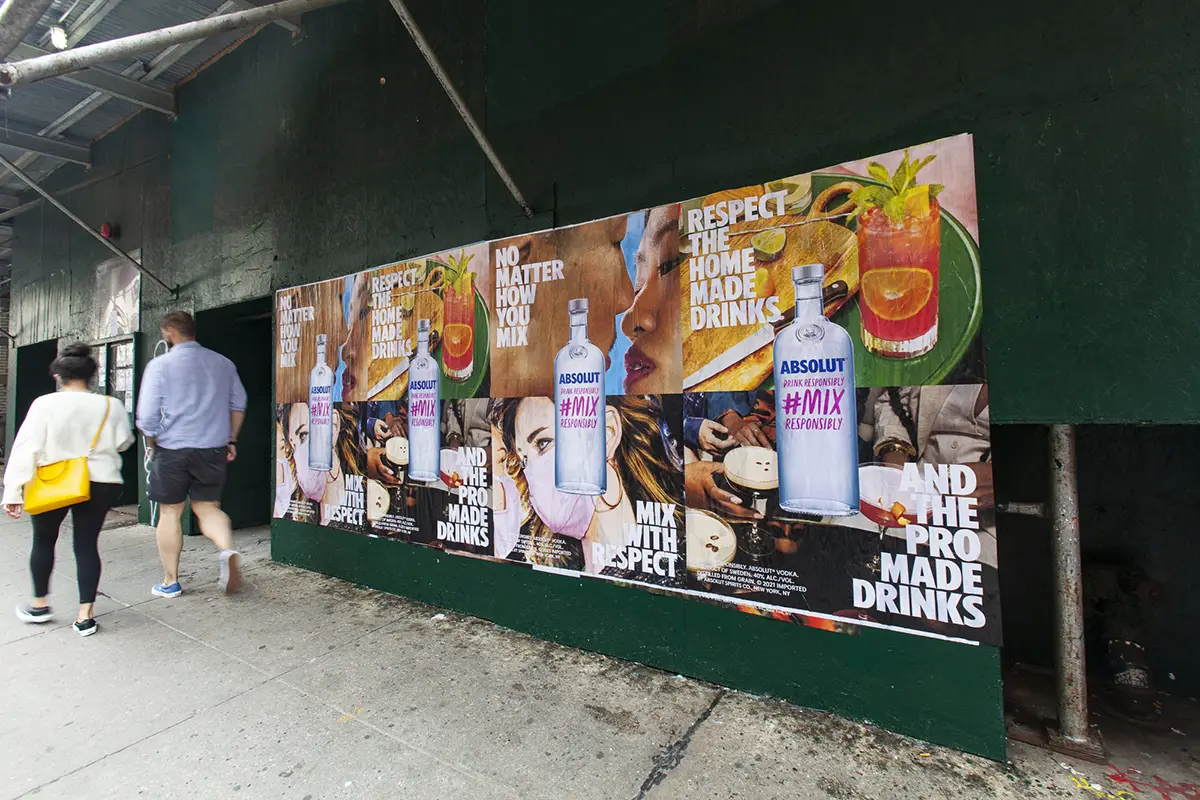
When posters are scattered across many neighborhoods, exposure fragments. Each placement stands alone. The viewer sees the message once, in isolation, and then never again. Urban mobility research explains why this happens. In large cities, pedestrian movement spreads across dozens of neighborhoods. Outside of focused corridors, there is no guarantee that the same person will encounter the same message twice. Without repeated context, the brain never connects exposures into recognition.
A single placement in Bushwick, one in the East Village, one near Herald Square, and one on the Upper West Side do not support each other. They speak to different populations, moving at different rhythms, with no overlap in exposure. Each placement behaves like a reset.
This is why campaigns that look extensive on a map often fail to register in memory on the street. The work feels active, but nothing accumulates. Wheatpasting becomes decoration instead of communication. Focused wheatpasting NYC restores the memory loop by committing to fewer areas and making those areas unavoidable.
Effective Wheatpasting Follows Human Behavior, Not Empty Walls
Strong placement decisions start with behavior, not availability. People slow down at crosswalks. They pause near subway exits. They wait outside venues. They linger in shopping corridors. Urban design research has shown that dwell time increases sharply in these environments, and that changes in pace alter how visual information is processed. Posters placed where movement slows are read. Posters placed where movement repeats are remembered.
In practice, this means prioritizing places where New York forces people to stop. Subway exits along Broadway and Lafayette, crosswalk holds feeding Union Square, venue queues on Delancey, and bottlenecks outside Williamsburg nightlife clusters all create moments where pace breaks and reading happens. Posters placed in these zones perform differently than posters placed on long, uninterrupted walking stretches where eyes stay forward, and speed never drops.
High-performing wheatpasting NYC corridors tend to share a few traits:
- The same people pass through multiple times per week
- Movement slows enough for reading to occur
- Sightlines remain clear at human eye level
- The surrounding environment supports the message instead of overwhelming it
- Placements can be maintained consistently during the active window
When these conditions align, wheatpasting stops competing with the city and starts working with it.
Focus Raises the Standard for Execution
Repetition magnifies everything. When the same people see the same poster multiple times, quality becomes part of the message. Paper choice, print clarity, alignment, adhesion, edge control, and maintenance are not technical details. They are trust signals. A poster that holds its shape and clarity communicates intent. A poster that peels, bubbles, or degrades quickly communicates neglect.
New York exposes execution failures fast. Weather shifts, pedestrian contact, competing postings, and constant wall turnover mean a poster that is poorly mounted on Monday can look compromised by Wednesday. In repeat corridors like SoHo Broadway or Williamsburg weekend routes, that degradation is not hidden. It is seen again and again by the same audience, and it becomes part of how the brand is judged.
Focused wheatpasting demands discipline because repetition rewards care and punishes shortcuts.
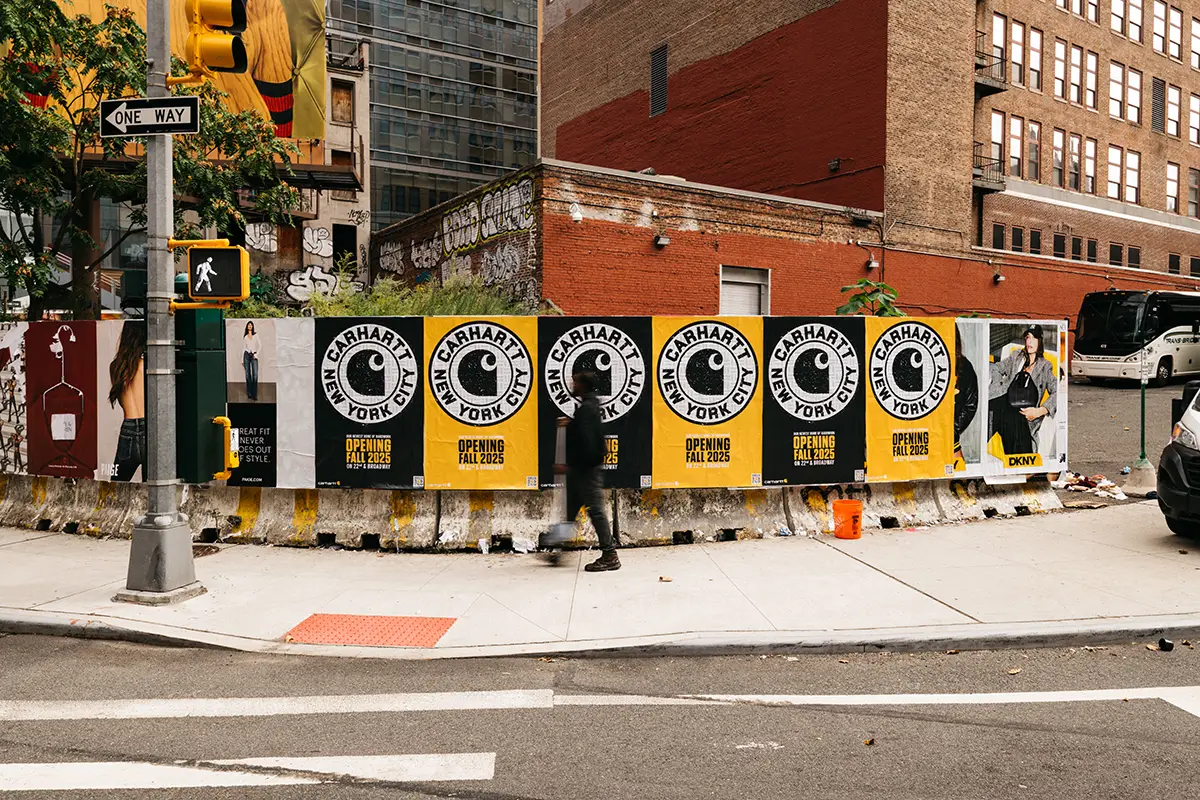
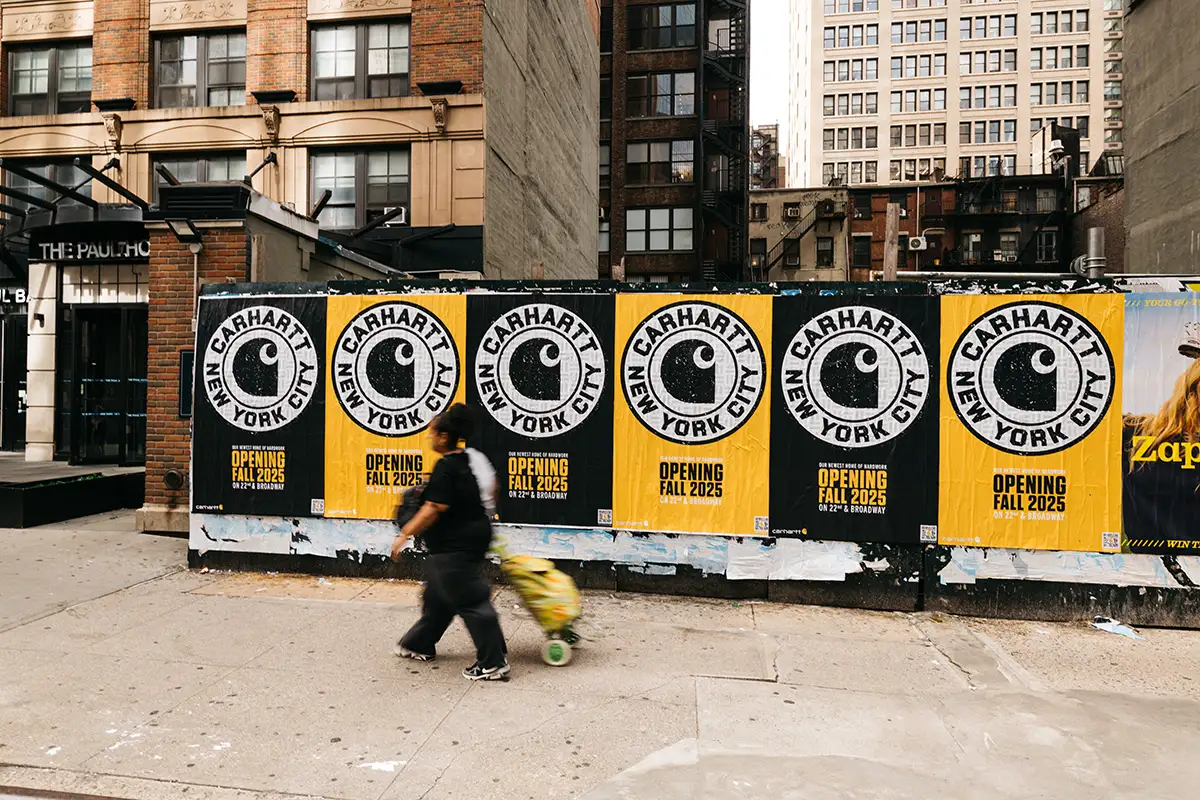
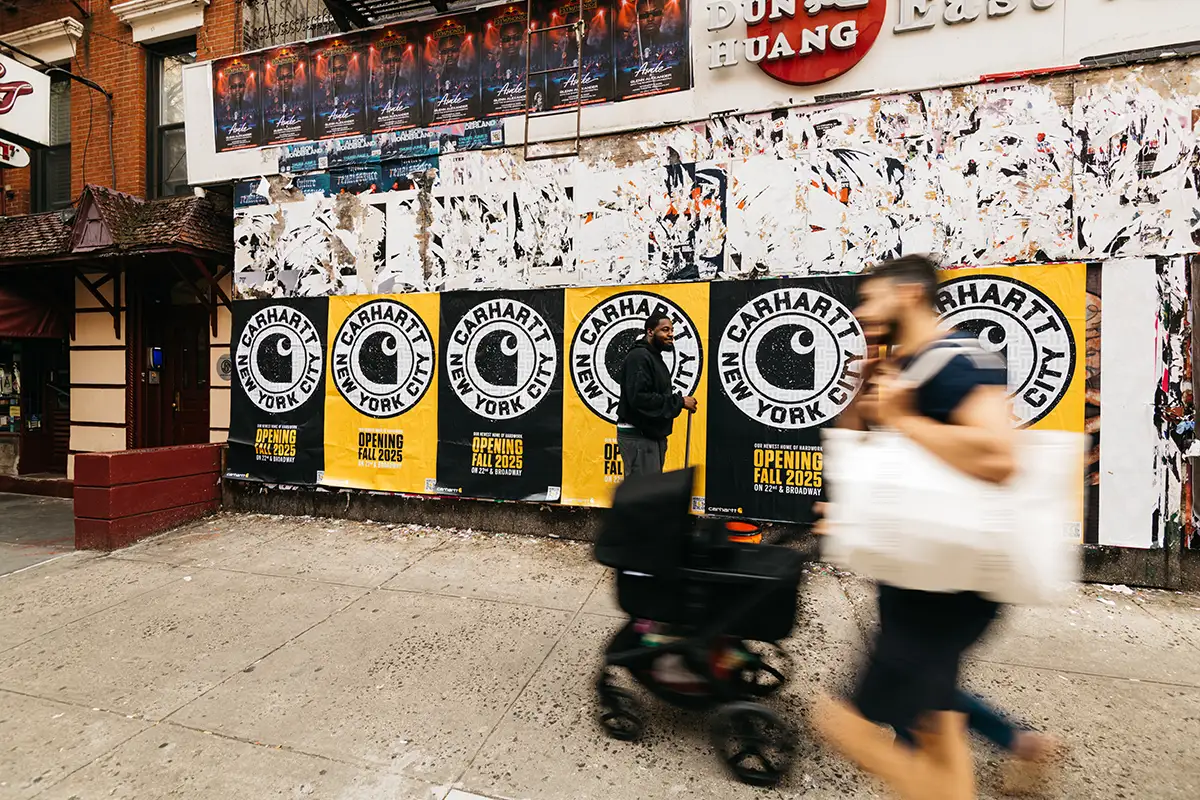
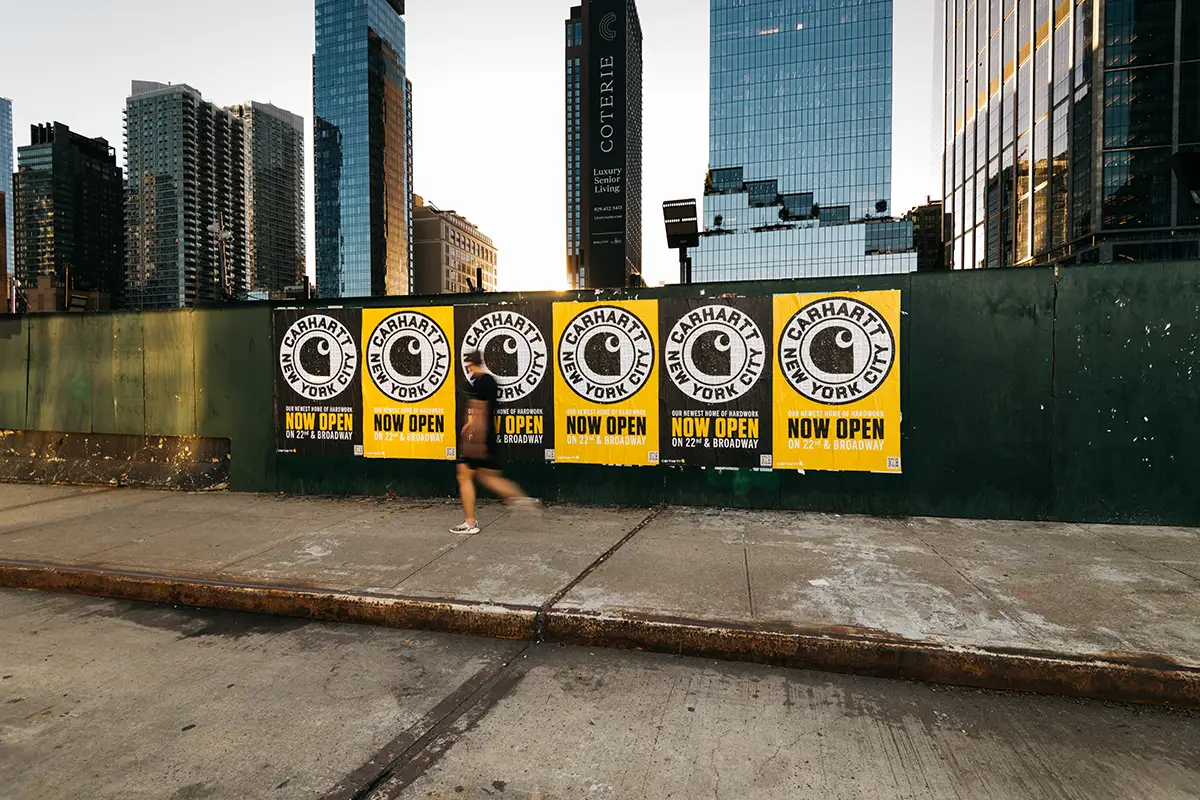
Look at our work with Carhartt!
Planning Discipline Is What Keeps Wheatpasting Effective
Most campaigns lose focus during planning. Too many goals are attached to a single run, and the strategy dissolves into covering as much ground as possible. Focused wheatpasting NYC campaigns protect clarity early by locking a small set of decisions and refusing to dilute them.
This discipline matters more in New York because the city punishes indecision. Corridors move fast. Walls turn over. Competition appears overnight. Without a locked plan for where density lives and how long it is protected, even a strong idea can disappear before repetition has time to work.
Documentation Turns Wheatpasting into a Reliable Channel
Street campaigns feel risky when visibility is assumed instead of verified. That uncertainty disappears when placement is documented and reviewed. In New York, assuming visibility is risky. A wall that looks perfect on install day can be partially covered, damaged, or visually compromised within days. Documentation is not about reassurance. It is how placement quality is preserved in a city where conditions change quickly, and competition is constant.
Photo documentation, placement verification, and condition tracking turn wheatpasting into something that can be evaluated and improved in real time. Patterns emerge quickly. Strong corridors reveal themselves. Weak placements are corrected before they become wasted weeks. This is how wheatpasting becomes a managed channel instead of a gamble.
Focus Is How Wheatpasting NYC Builds Real Recall
The street does not reward volume. It rewards familiarity. Focused wheatpasting NYC works because it respects how people move, how memory forms, and how trust develops through repetition. When placement follows behavior and execution holds up under repeated viewing, posters stop feeling temporary.
They start feeling established. That established feeling is what recall looks like in public space. It is the moment a message stops being processed as new and starts being processed as known. When that happens, wheatpasting becomes more than visibility. It becomes memory.