From Street to Feed: How Wheatpasting Becomes Social Content
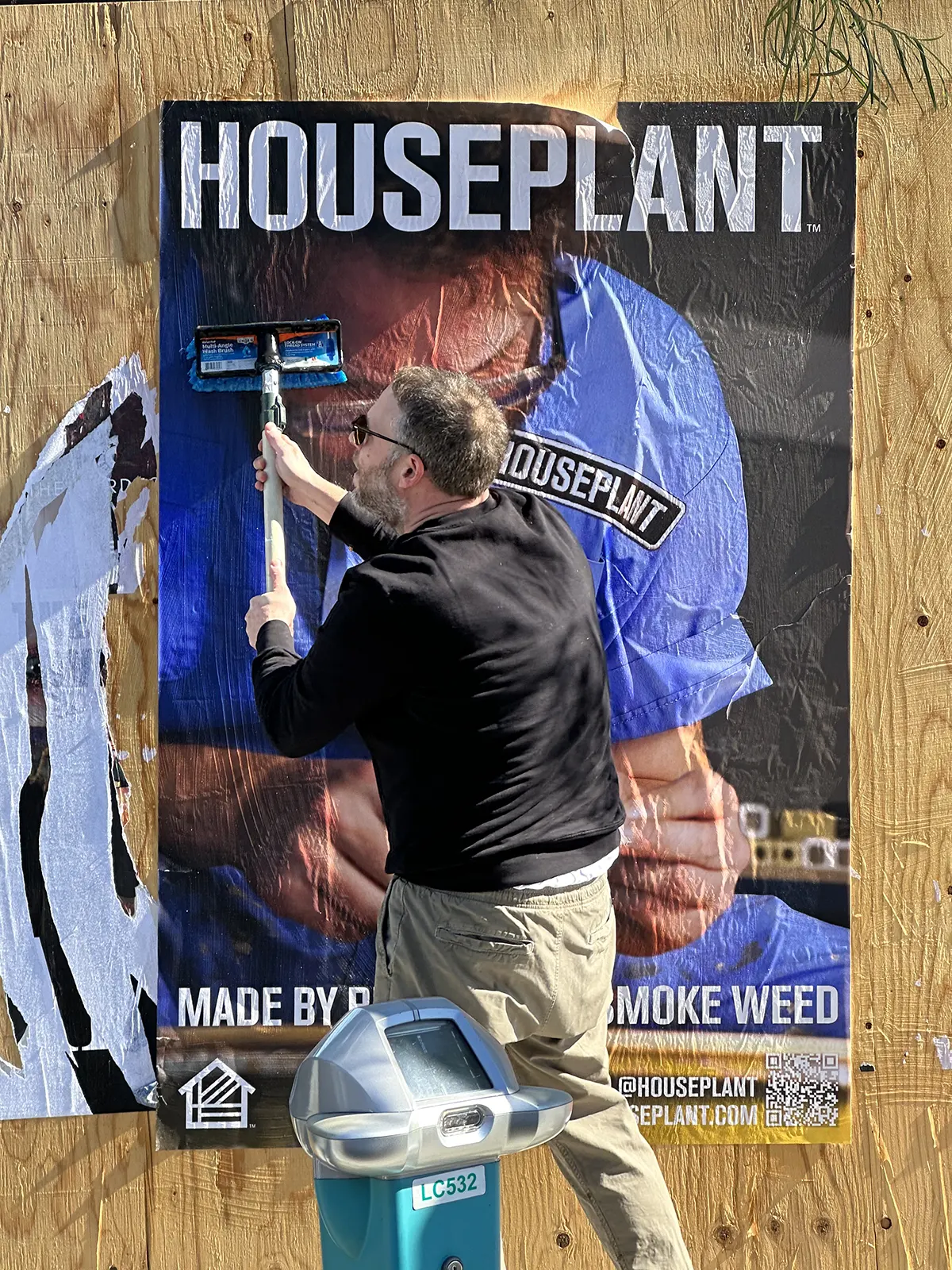
Street posters no longer live in isolation. A message that appears on a wall now has a second life, one that unfolds through phones, feeds, group chats, and stories. When campaigns work, the street becomes the starting point for a much larger conversation.
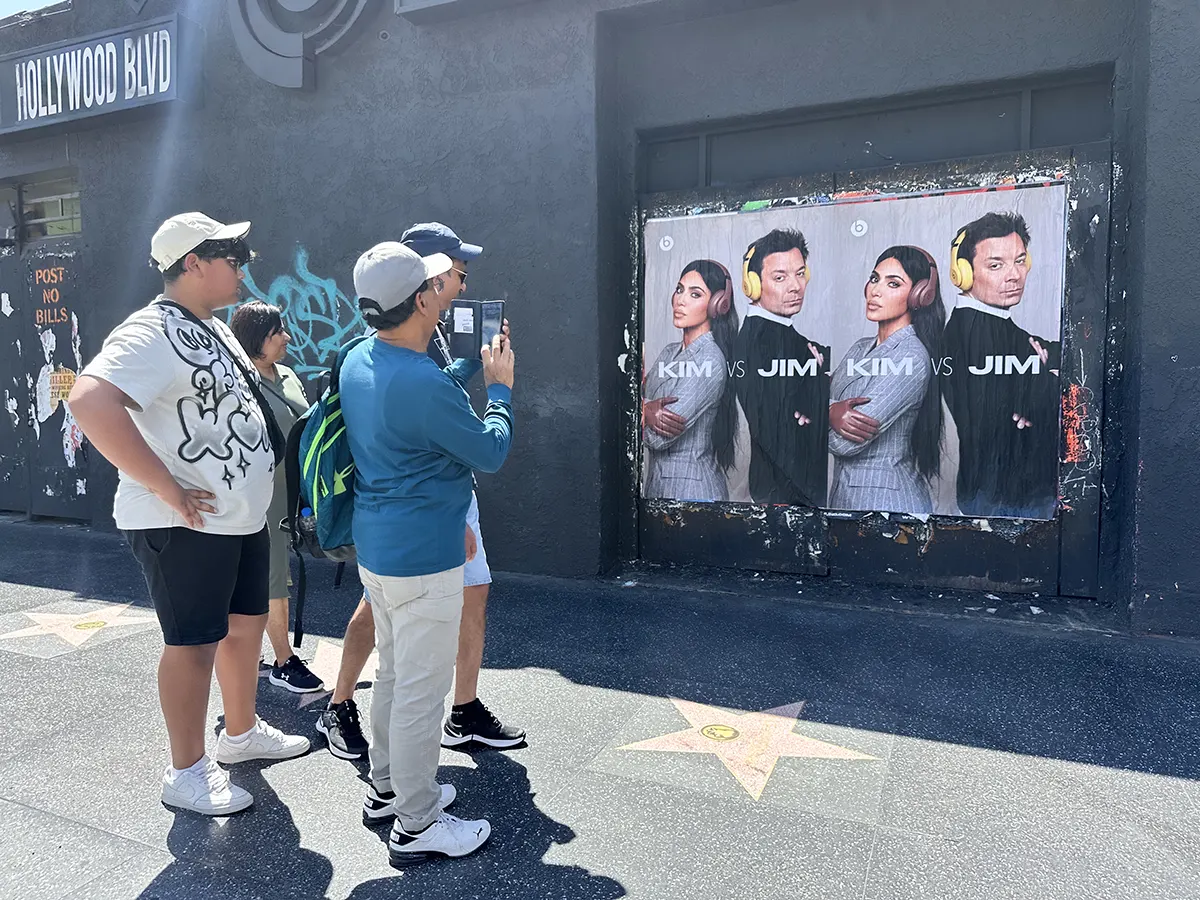
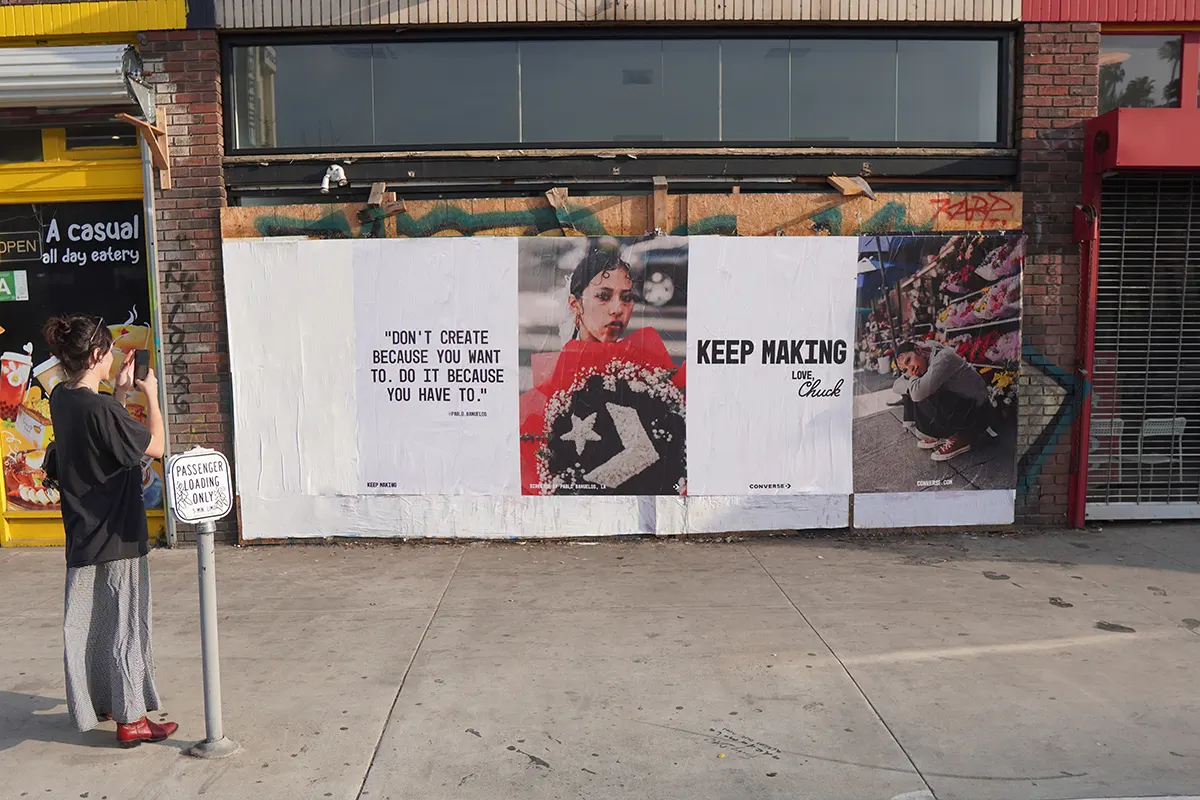
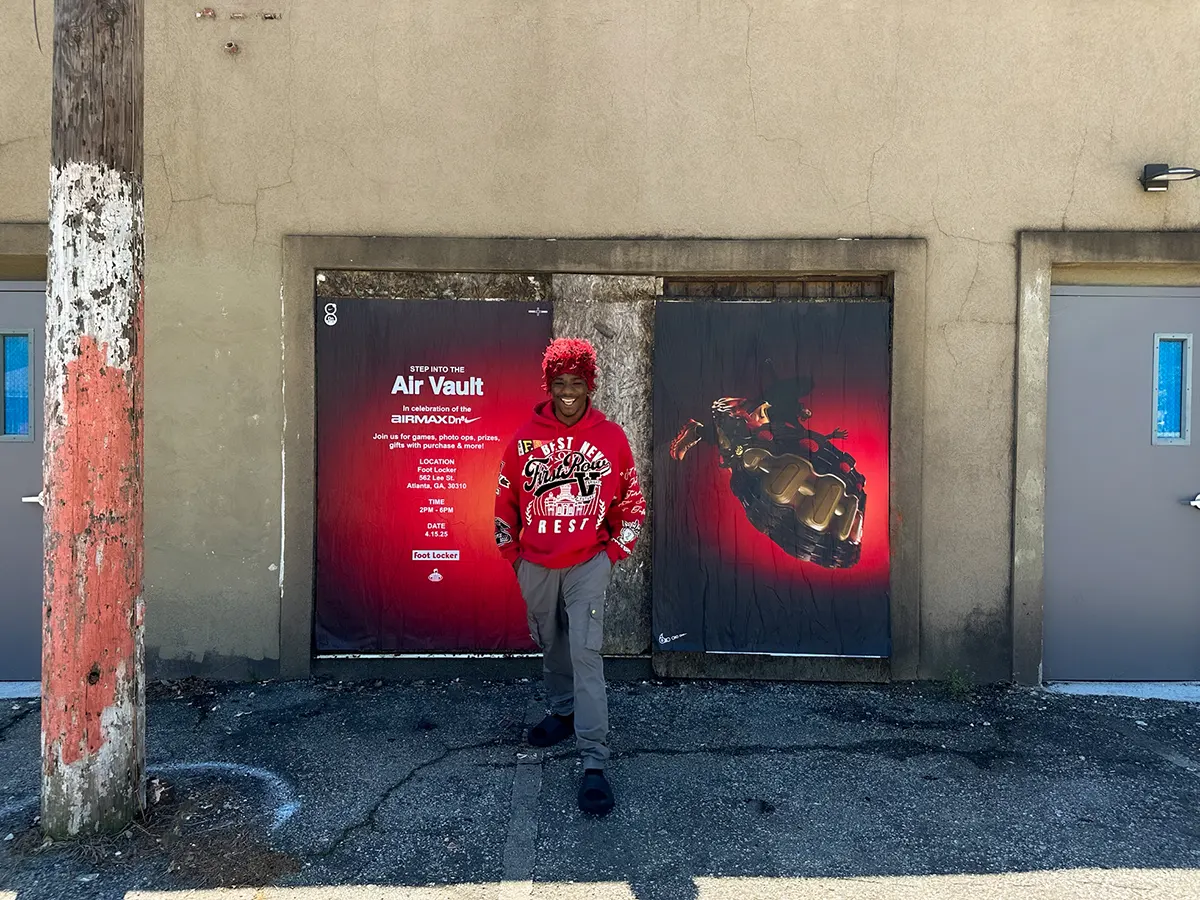
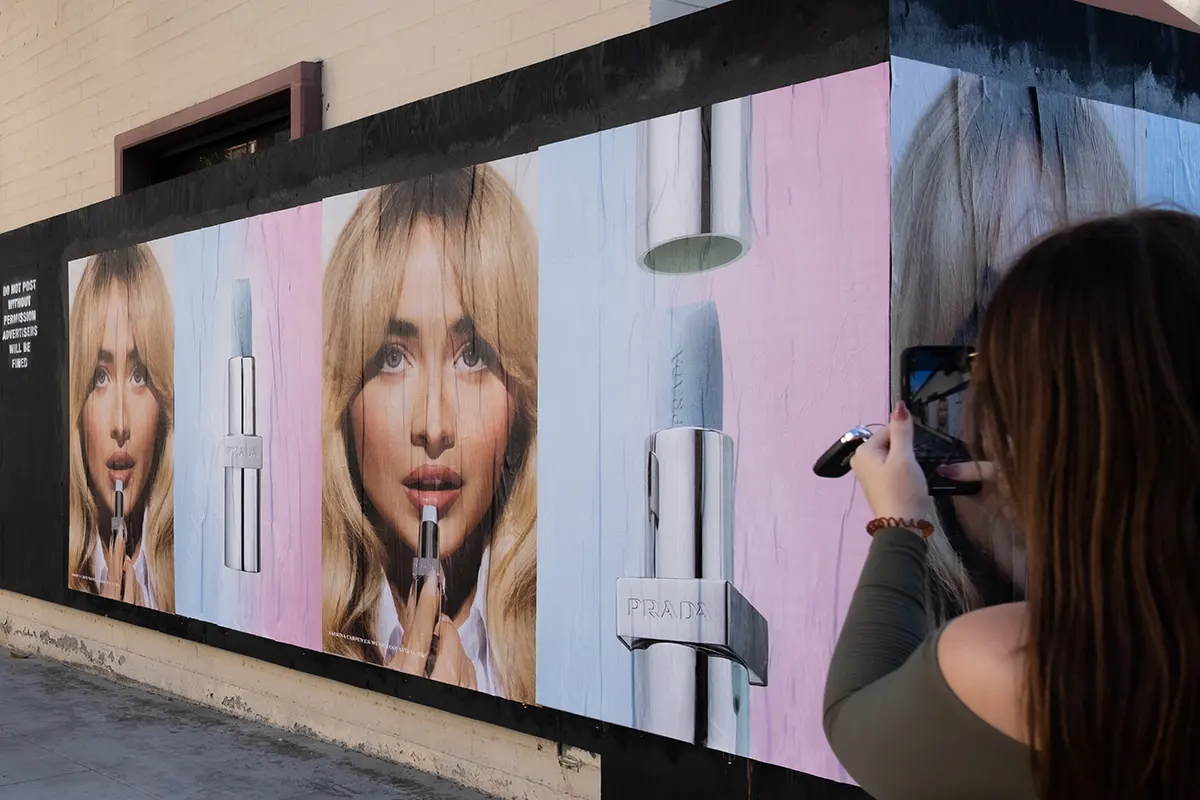
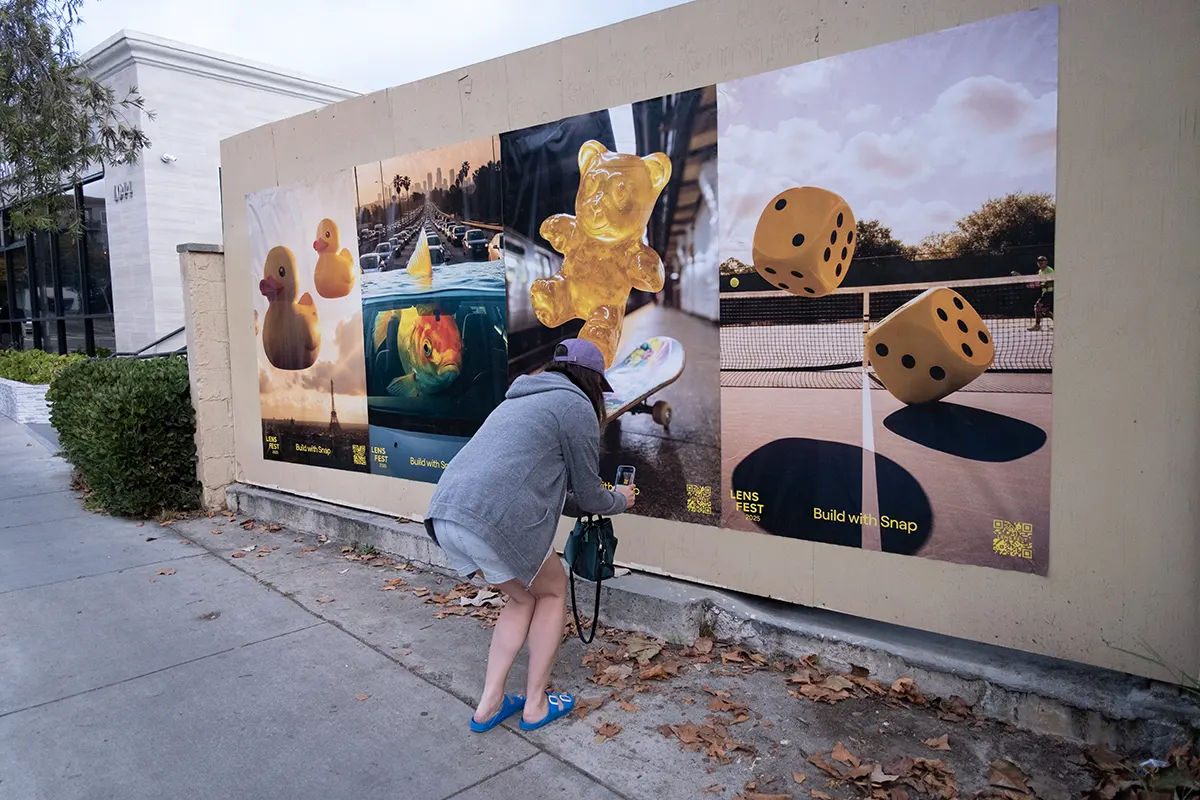
This shift is not accidental. Certain wheatpasting executions prompt people to stop, photograph, and share what they encounter. When that happens, physical placement extends into digital space without paid distribution. Authentic, eye-catching wheatpasting campaigns spur people to document what they see, turning street poster campaigns into far-reaching social exchanges.
Physical Meets Digital through Social Amplification
Why Choose Wheatpasting for Your Business
Street poster campaigns become social content when they feel worth noticing. People do not photograph everything they pass. They photograph what feels distinctive, timely, or culturally relevant, and then that capture becomes a new distribution layer.
Industry polling referenced in the approved source set shows that younger audiences respond strongly to out-of-home formats and frequently take mobile action after exposure. That matters because photographing and sharing a wheatpasting execution is a form of action, not passive consumption.
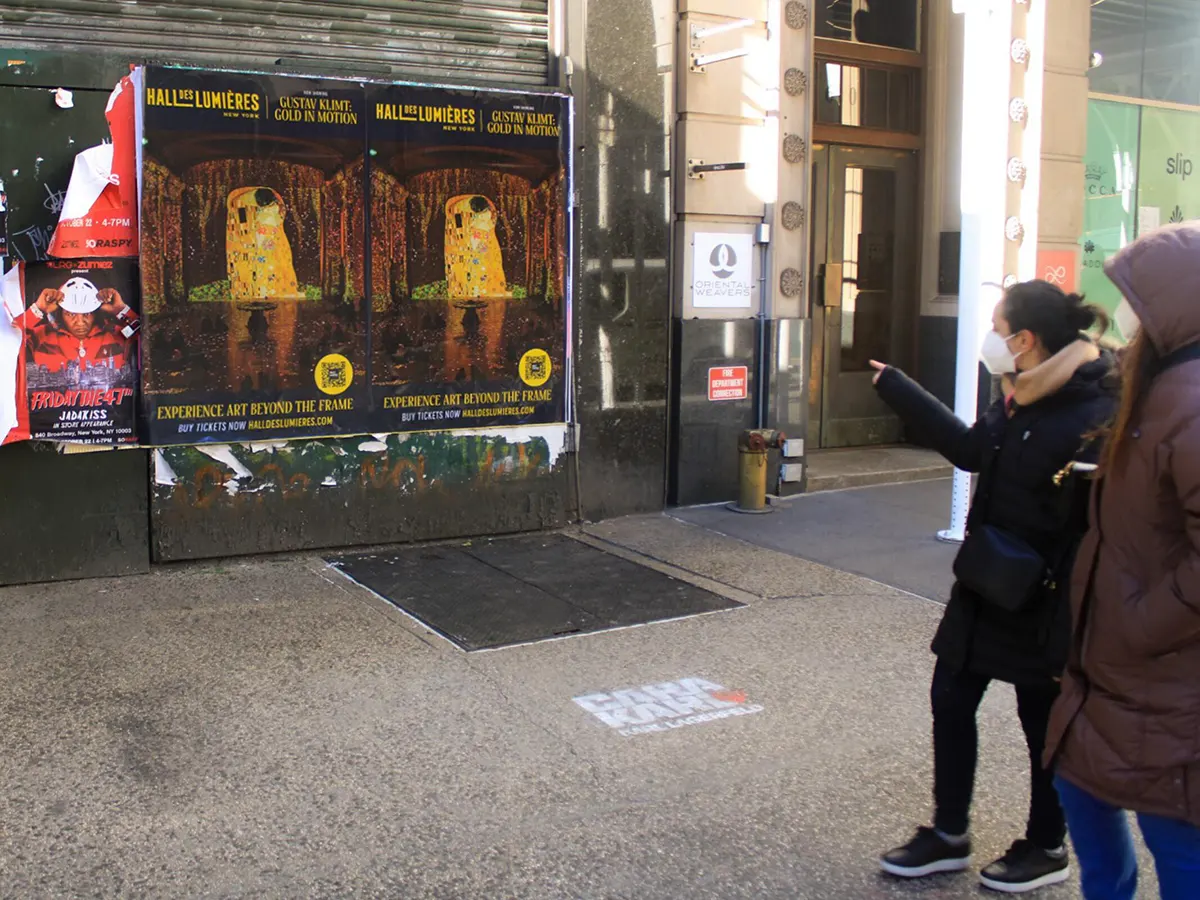
On the street, this behavior appears in small, repeatable patterns. A passerby slows down, a phone comes out, a photo gets taken, and that image moves into a story, a group chat, or a saved post. The wall becomes the trigger, not the endpoint. Once the message enters digital space, the audience starts doing the distribution work on the brand’s behalf.
That shift reframes what wheatpasting represents. It is no longer only a placement tactic. It becomes a social catalyst rooted in physical space.
Designing Posters People Want to Share
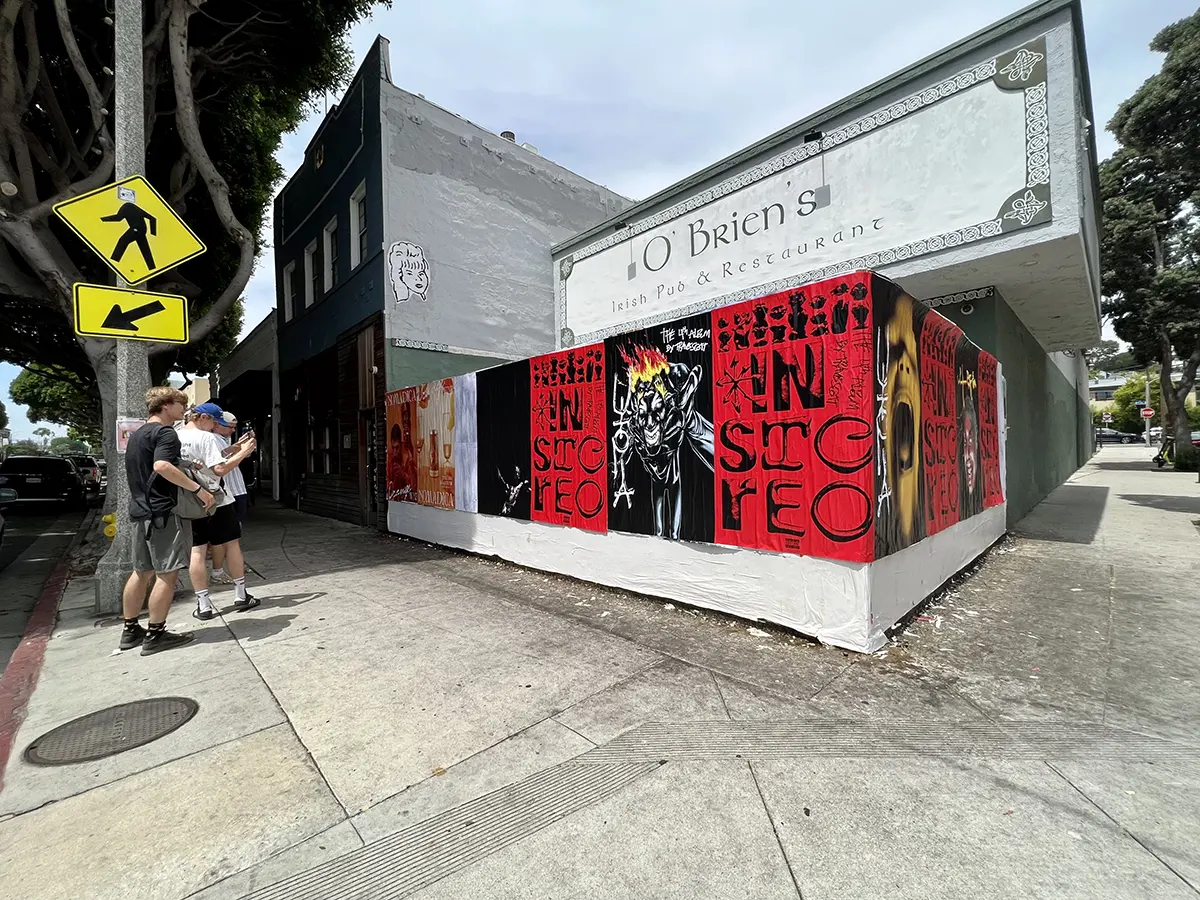
Not every poster invites documentation. Shareable street poster campaigns are designed with intention, not chance, because the camera has standards. Posters that look careless, cluttered, or generic do not get captured. Posters that feel native to their surroundings do.
Posterize Media emphasizes matching the creative to the rhythm of the environment. In New York, that means recognizing that different neighborhoods reward different visual languages. A wheatpasting execution that works well in a retail-heavy corridor can fail in an arts-driven area if it feels out of place. When the creative fits the block, it earns attention instead of demanding it.
Design choices that increase social sharing:
- Fast readability at human distance
- Visuals that feel cultural rather than promotional
- Series-based concepts that reward repeat sightings
- One optional interaction that feels natural
- Restraint that allows the street context to do part of the work
These choices determine whether wheatpasting becomes something people capture or something they ignore.
Turning Posters into Social Currency
Social sharing increases when a poster functions as a cultural signal rather than an advertisement. People share what reflects taste, awareness, and identity. This is where wheatpasting becomes social currency. A photo of a poster is not only about the message. It is about the person who noticed it and the story being told by sharing it. When placement feels deliberate, and the creative feels confident, that post carries credibility that digital ads struggle to replicate.
Posterize Media has documented street poster campaigns that generated tens of millions of impressions once the content moved beyond the wall. That scale was not manufactured after the fact. It was earned because the street moment was strong enough that people chose to carry it forward.
Maintaining Momentum after the Initial Share
Social amplification does not end with the first wave of posts. Momentum depends on whether the campaign remains visible enough to keep producing new moments. Posterize treats this phase as continuity. Monitoring placements, reinforcing strong pockets, and maintaining visual quality keep wheatpasting executions from becoming yesterday’s sighting. When the street stays active, the feed stays interested.
Post-launch actions that sustain momentum:
- Keeping high-visibility placements clean and intact
- Reinforcing the strongest corridors
- Capturing proof and performance consistently
This is the difference between a spike and a cycle.
Why This Matters for Businesses Considering Street Poster Campaigns
The connection between street presence and social sharing changes how success should be evaluated. Wheatpasting is no longer only about being seen in person. It is about sparking behavior that carries the message further.
In some markets, this approach is also called flyposting, though the mechanics remain the same. The difference lies in execution. Designing for shareability, choosing environments that invite documentation, and supporting post-launch momentum require experience and operational discipline.
For businesses evaluating street poster campaigns, the real question is whether the execution is strong enough to turn the street into a social channel that audiences willingly distribute. That distinction separates isolated placements from campaigns that live beyond the wall.
Call Posterize Media today to OWN THE STREETS!