How Much Does Street Marketing Cost? What Goes Into the Estimate?
When a brand starts planning guerrilla marketing, cost is usually one of the first questions. It is reasonable to want a number early, but a standard price can be misleading when campaigns involve different markets, locations, coverage levels, formats, timing, and installation requirements. A focused campaign in one area is not the same project as a broad campaign running across several cities. The amount of work behind those campaigns can vary widely, even when they use similar types of street marketing and advertising. That is why the right estimate has to begin with the campaign itself.
At Posterize, as an experiential marketing agency, we build estimates around the campaign our clients want to run. As an agency, we need to understand where the work should appear, whom it needs to reach, how much coverage is required, and what the execution entails. We do not expect every detail to be solved before the first conversation, but we do need enough information to connect the budget to a real campaign scope. The goal is not to make pricing mysterious or complicated. The goal is to make the estimate useful.
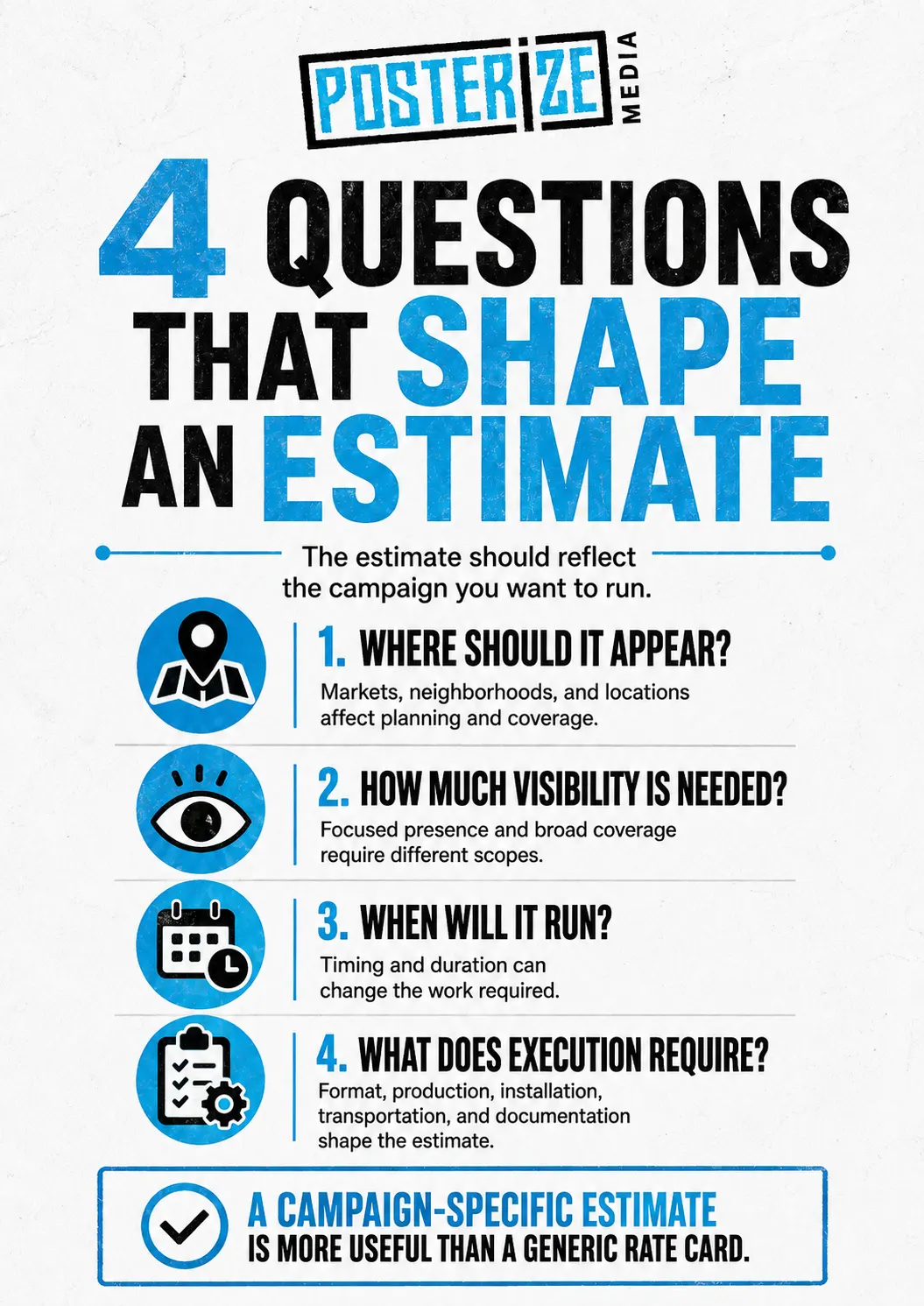
Campaign question | Why it matters |
Where should the campaign appear? | Markets, neighborhoods, and locations affect planning and coverage. |
How much visibility is needed? | A focused presence requires a different scope from broad market coverage. |
When will the campaign run? | Timing and duration can affect the work required to execute it. |
What does the campaign require? | Format, production, installation, transportation, and documentation all shape the scope. |
What We Need to Understand Before We Estimate a Street Marketing Campaign
The first step is to understand the campaign itself rather than to price a single poster or placement in isolation. A brand may want to build a visible presence around a launch, reach a specific audience in a certain area, support an event, or create broader awareness across a market. Each direction points to a different level of planning and coverage. You can come to Posterize with a campaign idea, target audience, city, timing, or desired level of visibility even if the details are not final. We can use that starting point to shape a recommendation and prepare a more useful estimate.
We usually need to understand a few basic parts of the campaign before we can define its scope. These details help us connect what the client wants to accomplish with the work required to bring the idea into the street. They may include:
- The market, neighborhoods, or areas the brand wants to reach.
- The audience or customer group the campaign needs to reach.
- The timing, duration, and visibility expected from the campaign.
- The creative format, location requirements, and execution needs.
These details do not have to arrive as a finished media plan. They provide enough context to understand the kind of presence the client wants to create. They also help prevent the estimate from being built around a number that looks attractive but does not support the actual objective. A campaign should be scoped around the presence the brand needs, not simply the lowest possible count of placements. That makes the conversation more practical for everyone involved.
Coverage Changes the Scope
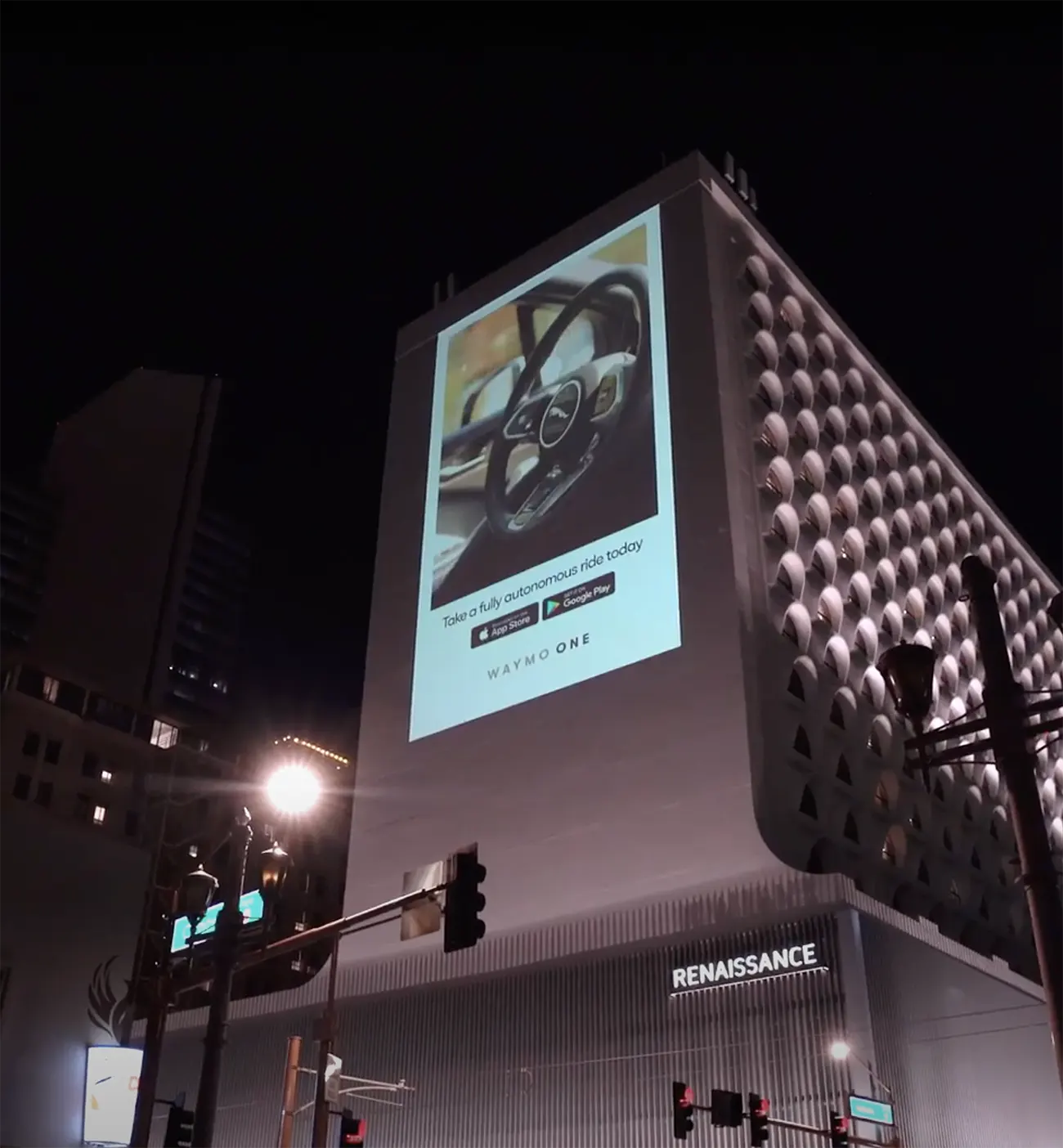
Coverage is one of the clearest differences between one guerrilla marketing estimate and another. A campaign designed to create a concentrated presence in a few carefully selected areas has different requirements from one intended to reach a much larger portion of a market. The difference is not only the number of materials involved. It can also affect location planning, production coordination, installation time, transportation, and campaign documentation. Coverage should be discussed in terms of what the client wants the audience to see and where that visibility needs to occur.
More coverage is not automatically the right answer for every campaign. A focused campaign may make more sense when the goal is to reach a specific neighborhood, audience, or event area. A broader campaign may be more appropriate when the client needs visibility across a larger market. The important point is that the scope should support the campaign goal. At Posterize, we use that goal to help determine what level of coverage makes sense before assigning a price.
Similar Campaigns Can Still Have Different Costs
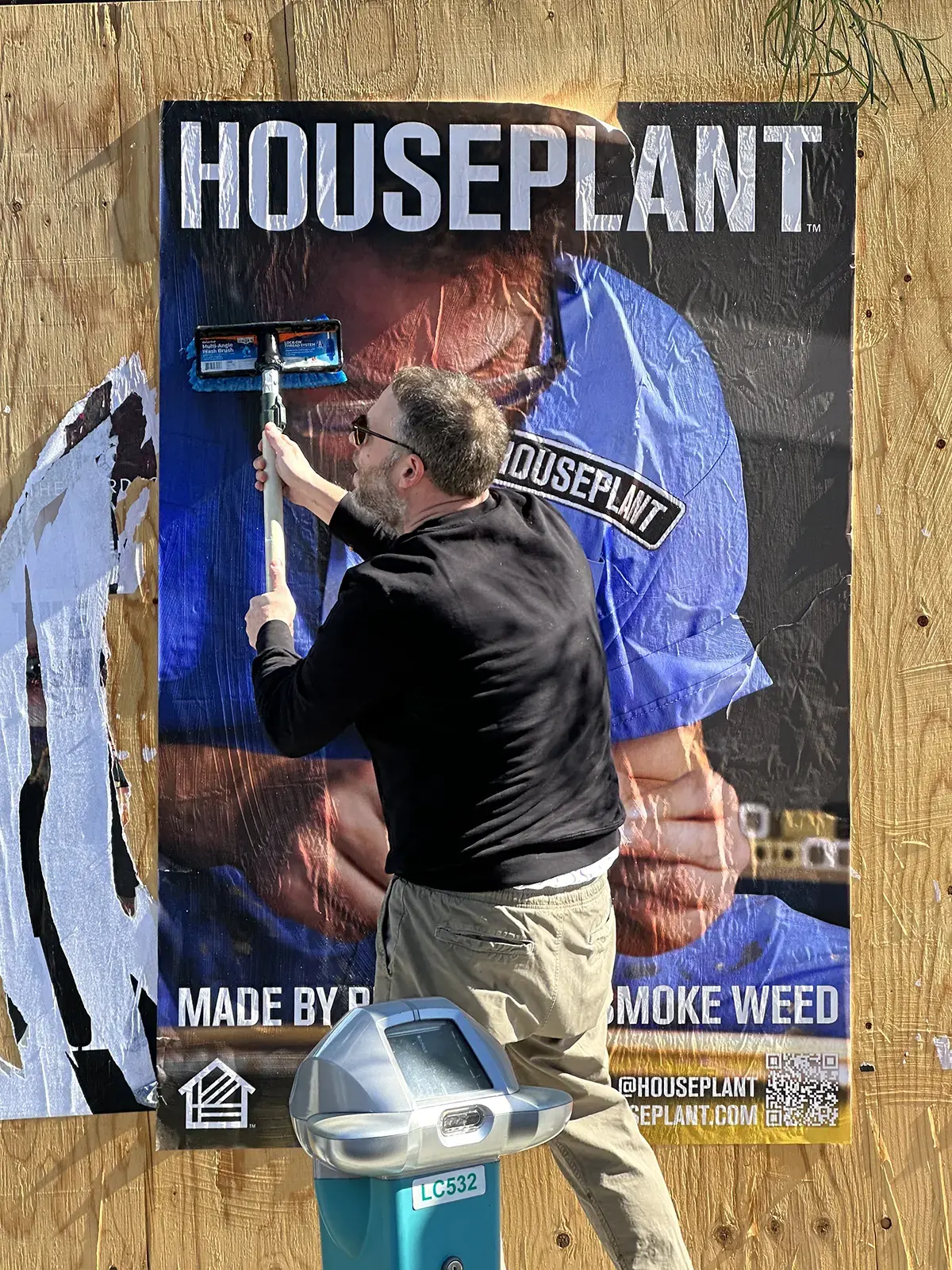
Two campaigns may use a similar format yet require different budgets because the surrounding requirements differ. Location, access, timing, staffing, transportation, production, and documentation can all change the amount of work involved. A campaign using the same poster in two different markets may require different coordination because the locations and conditions are not identical. The creative itself may also require different levels of preparation or customization before it can be installed. This is why a simple price per placement or day rarely tells the whole story.
The estimate needs to reflect how the campaign will be managed in the real world. Public-space work has to be coordinated around actual locations, schedules, and conditions rather than treated as if every placement is identical. The more complex the market, timeline, or coverage goal, the more important it becomes to define the scope before assigning a price. We connect those requirements to the client’s campaign so the budget has a clear purpose. That gives the client something meaningful to evaluate, rather than an isolated number with no context.
Why We Do Not Start With a Rate Card
A rate card may seem convenient, but it can leave out the information a client actually needs. A price without a defined scope does not explain how much coverage the campaign will provide, what locations it can address, or what level of execution is included. It can also make two very different campaigns appear comparable when they are not. A campaign-specific estimate gives the client a clearer understanding of what the investment is designed to support. It provides a more useful basis for deciding whether the campaign aligns with the brand’s goals, market, timing, and expectations.
At Posterize, our role is to connect the idea to the work required to execute it. We do not expect a client to arrive with every location, production detail, or installation decision already solved. We do need to understand the intended audience, target area, timing, creative direction, and desired level of coverage so the recommendation has a real foundation. Once those priorities are clear, the estimate can reflect the campaign the client is actually considering. That makes the pricing conversation more direct and gives the client a realistic view of what the budget is meant to accomplish.
Get an Estimate Built Around Your Campaign
There is no single guerrilla marketing price because there is no single guerrilla marketing campaign. The cost depends on the coverage you want, where the work needs to appear, when it needs to run, and what it takes to execute it properly. A useful estimate should tell you what the budget is designed to accomplish, not give you an isolated number with no context. At Posterize, we help connect your audience, creative, target area, timing, and visibility goals to a practical campaign scope. You do not need to arrive with every decision finalized. Bring us the starting point, and we can help determine what the campaign needs before preparing a campaign-specific estimate. Contact Posterize to discuss your idea and get a clearer recommendation for taking it into the street.