Where Sticker Advertising Actually Works Best in NYC and LA
Most brands treat sticker campaigns like a volume problem. The assumption is simple: the more stickers placed across a city, the greater the visibility. That logic feels right on the surface, especially in dense markets like New York and Los Angeles, where foot traffic is constant and highly visible.
In practice, that approach is exactly why many sticker campaigns fail to produce meaningful results. Sticker advertising does not scale the same way as larger formats because it depends far more on environment than exposure. Where a sticker is placed determines whether it is seen, remembered, or ignored entirely. If the goal is to create recognition, not just presence, then placement is not a secondary decision. It is the foundation on which the entire campaign sits.
Sticker Advertising Is Built Around Movement, Not Just Density
At first glance, high-traffic areas seem like the obvious answer. More people moving through a space should increase the likelihood that a message will be seen. That assumption holds true for large-format advertising that can be processed at a distance or at speed, but sticker campaigns operate under a different set of conditions.
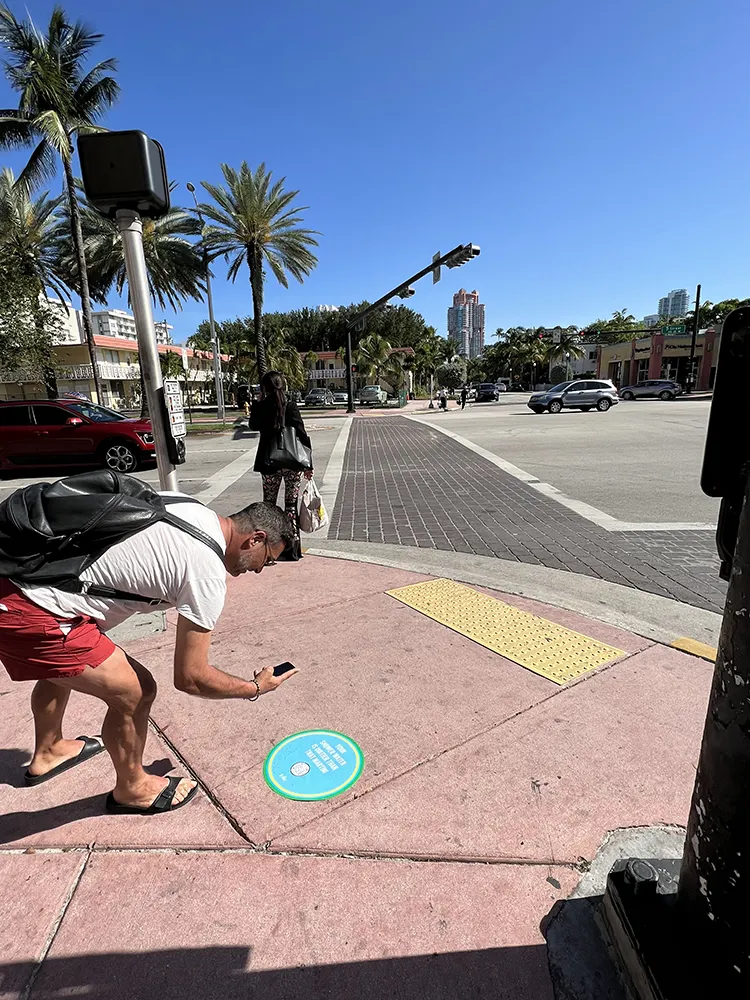
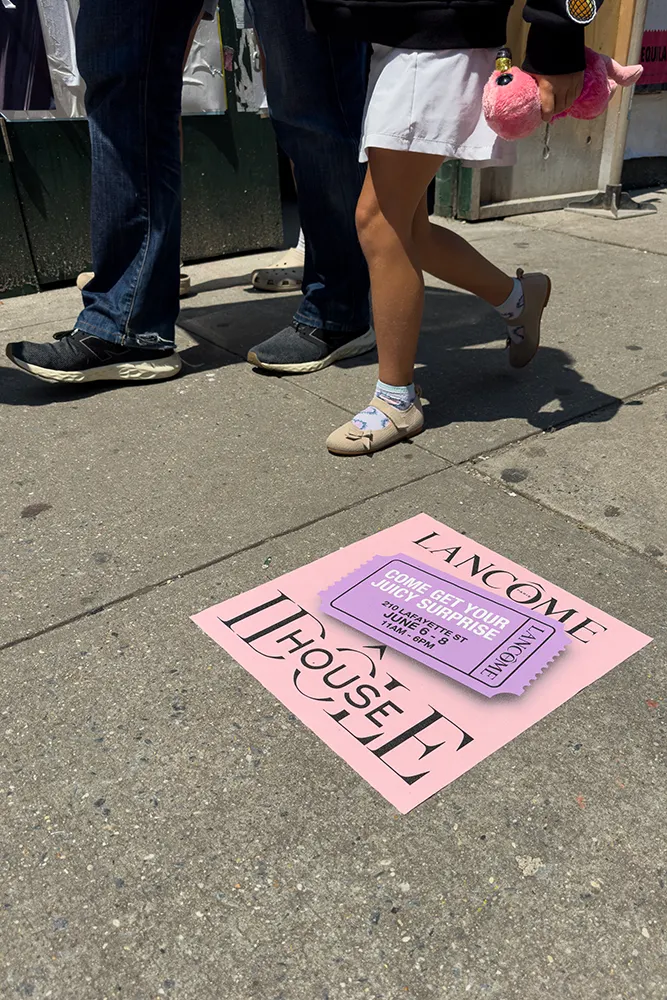
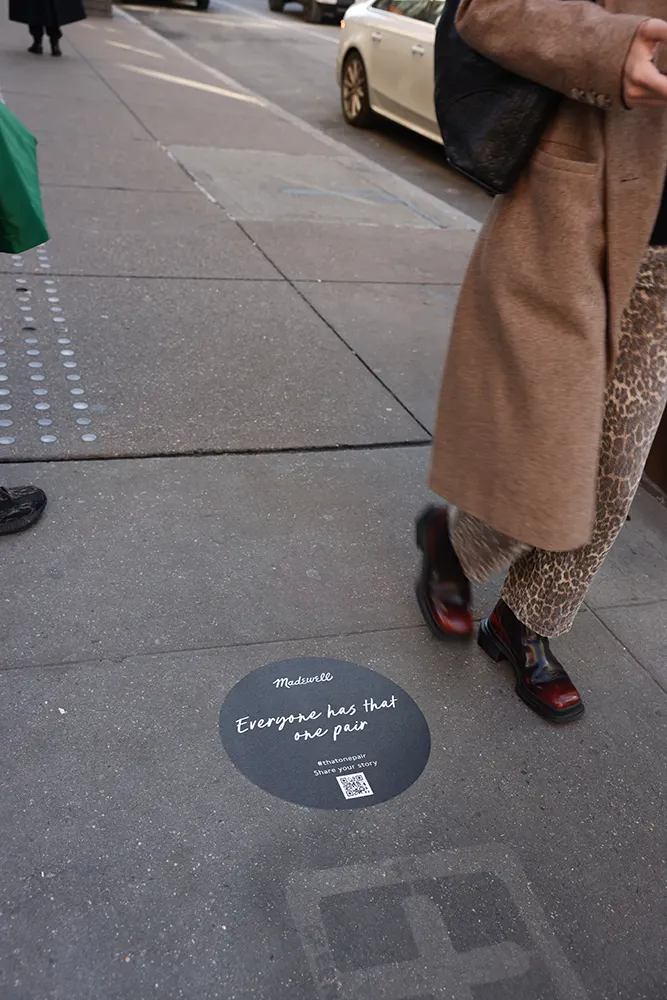
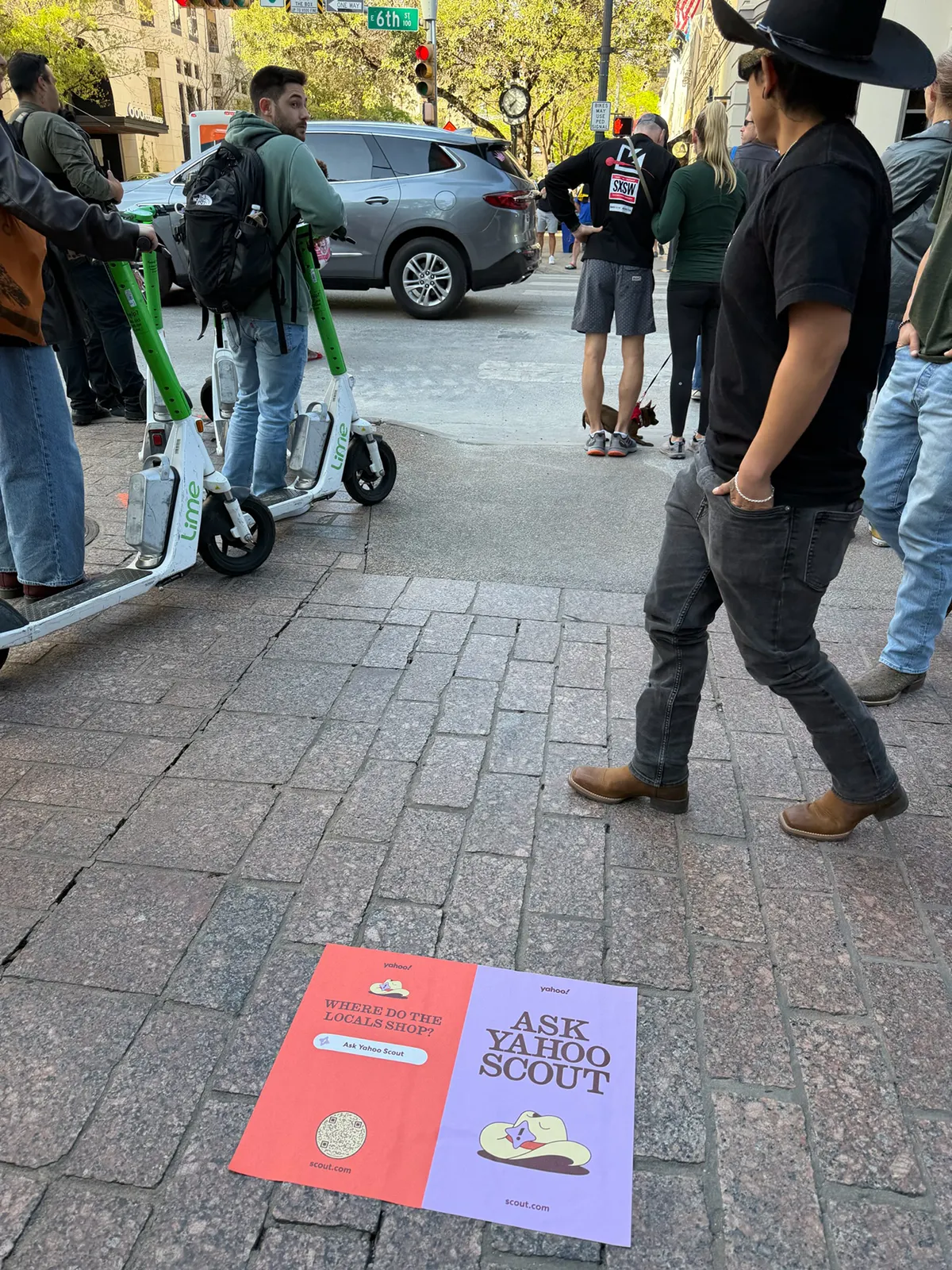
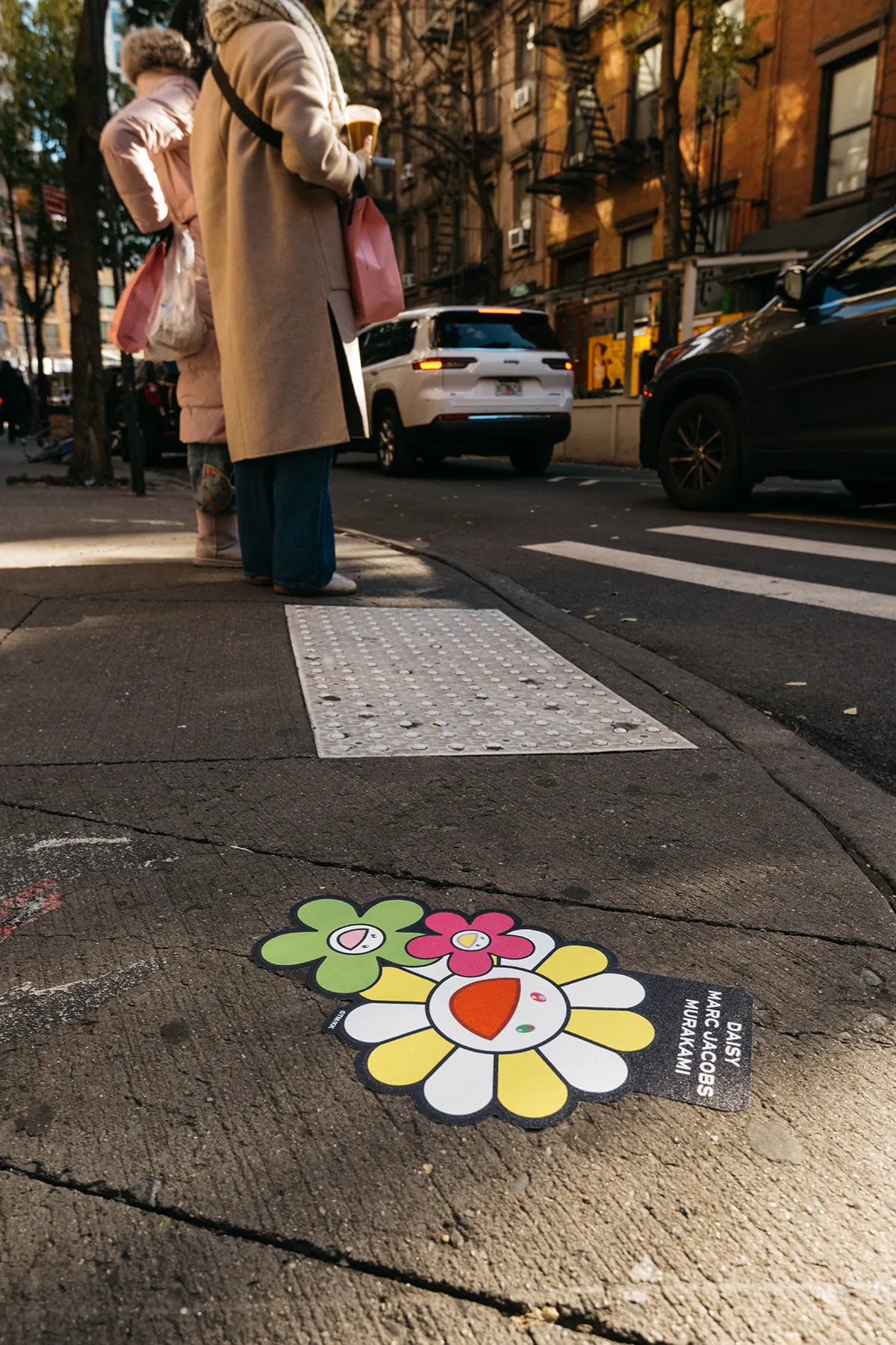
Stickers exist at the human scale, meaning they are only effective when someone is close enough, moving slowly enough, and attentive enough to register them. They rely on proximity and repetition rather than reach, which makes pedestrian behavior far more important than overall traffic volume. A crowded environment does not automatically create visibility if people are moving too quickly or focusing on something else.
This is where the gap appears between presence and actual impact. A sticker can exist in a high-density area and still fail if the environment does not allow for even a brief moment of recognition. Understanding that difference is what shifts a campaign from scattered placement to intentional visibility.
Why Placement Determines Whether a Sticker Gets Seen or Ignored
Once sticker campaigns are approached as a placement strategy, the difference between strong and weak performance becomes easier to identify. The issue is rarely the number of stickers deployed. It is whether the environment supports repeated, low-effort exposure to the same audience.
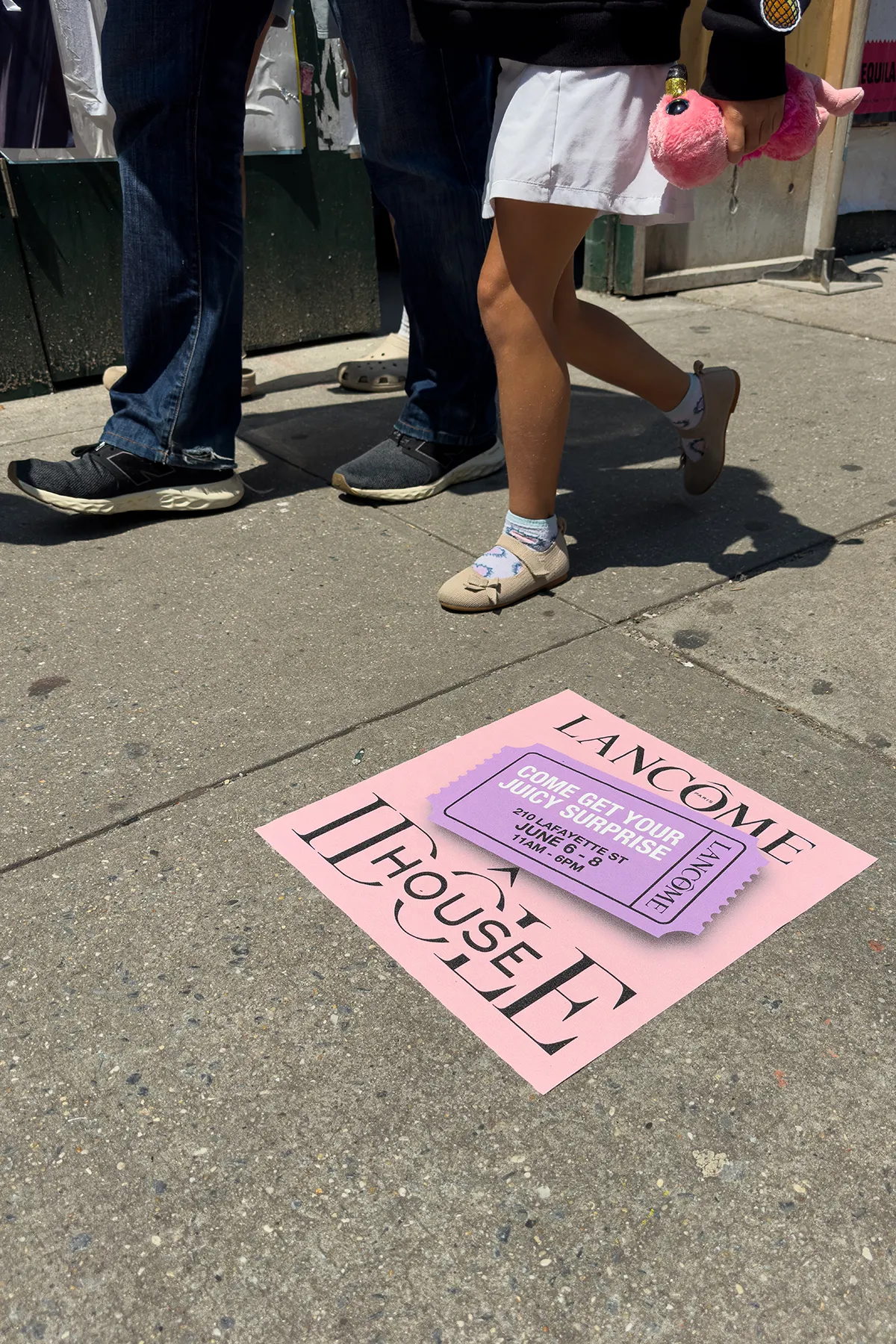
Strong placements tend to occur in spaces where people walk, return frequently, and naturally slow down. These are environments where attention can land without effort, even if only for a second, and where that moment can repeat over time. Weak placements, on the other hand, rely on one-time exposure in environments where attention is already fragmented or rushed.
The distinction matters because repetition alone is not enough. A message needs to be noticed before it can be remembered, and environments that compete too heavily for attention often prevent that first step from happening. This is why campaigns that feel widespread can still underperform. They are present, but they are not being processed.
What the Best Sticker Environments Have in Common
Effective sticker campaigns are not built around coverage. They are built around environments that consistently support visibility at close range. When those conditions are present, even a relatively small number of placements can produce strong recall through repetition and familiarity.
The strongest environments tend to share a consistent set of characteristics:
- Pedestrian-paced movement: People are walking, not rushing or driving, which allows for brief moments of visual recognition.
- Repeat exposure: The same audience moves through the space regularly, increasing the likelihood of familiarity over time.
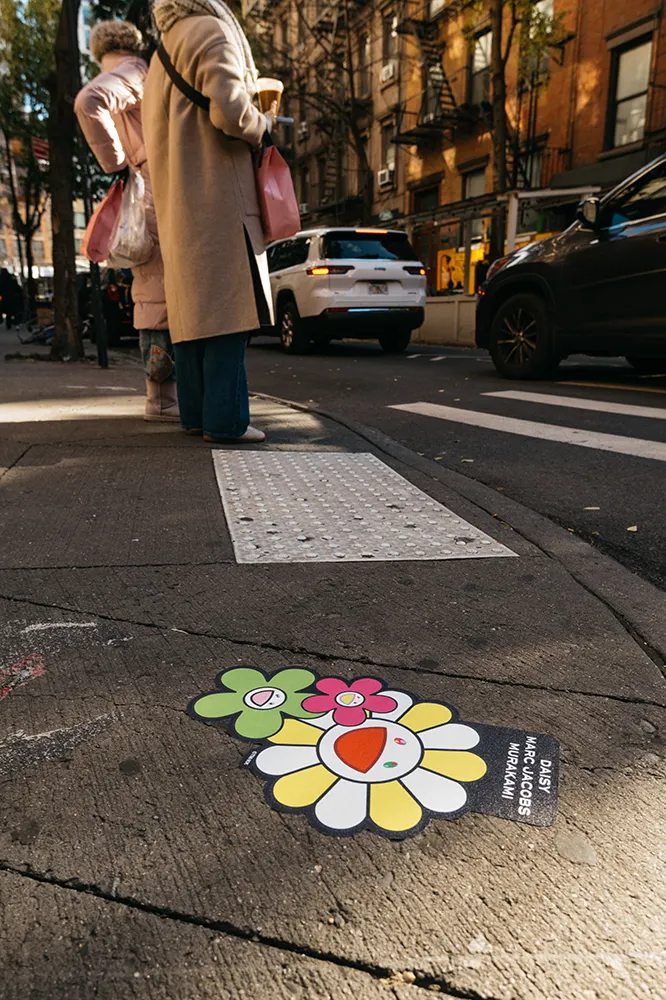
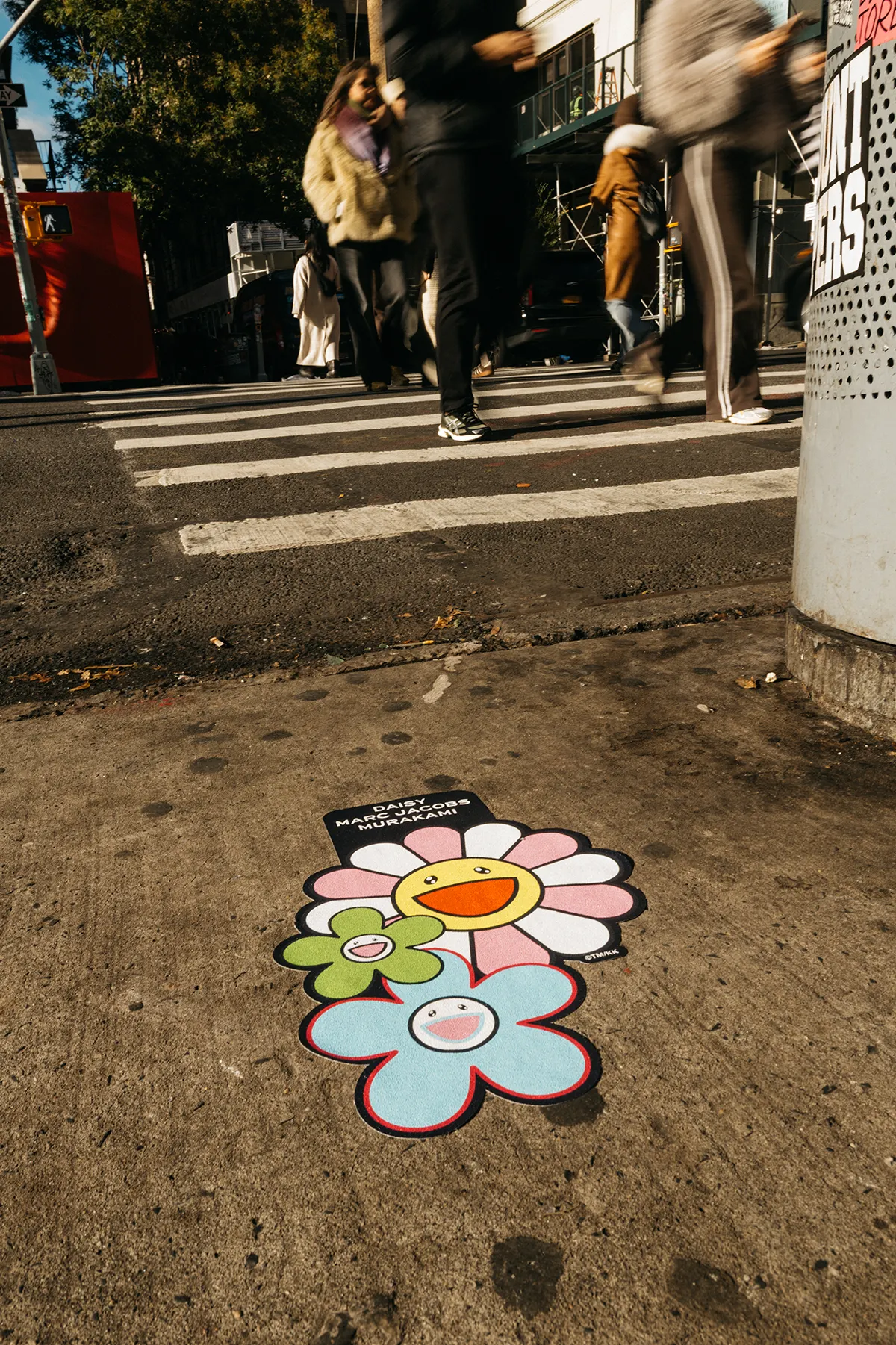
- Natural slow-down points: Intersections, entrances, exits, and gathering areas create moments where attention can settle.
- Human-scale surfaces: Objects like poles, barriers, and utility boxes sit directly within line of sight.
- Cultural alignment: The surrounding environment supports layered visuals rather than rejecting them.
- Continuity over time: Placements remain visible long enough, or are refreshed often enough, to create repetition.
These conditions work together rather than independently. When multiple factors align, the environment begins to reinforce the message rather than compete with it. That is what allows a small-format medium to build recognition without relying solely on scale.
Where Sticker Advertising Works Best in NYC
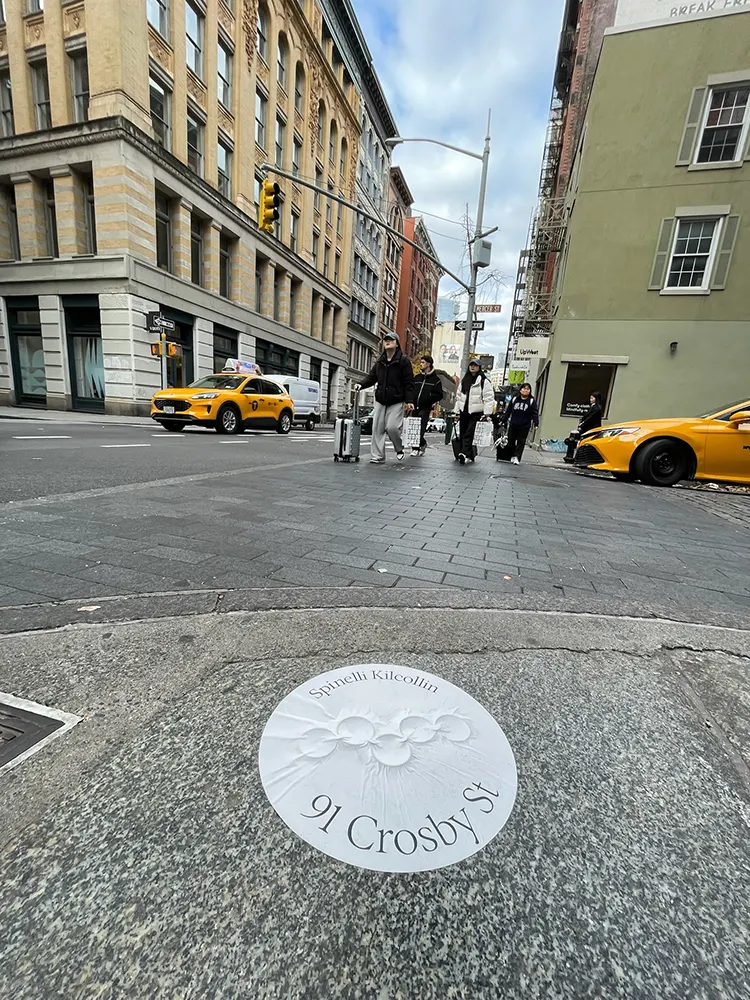
New York City creates one of the most consistent environments for sticker campaigns because pedestrian movement is built into the city's structure. People move on foot between transit, work, shopping, and social spaces, often along the same routes every day. That repetition is what allows small-format placements to build familiarity over time.
Data from the city reflects how concentrated this movement can be. Major areas like Times Square see hundreds of thousands of pedestrians daily, while the transit system moves millions of riders through overlapping corridors. Even outside of major landmarks, neighborhood retail streets and commercial avenues maintain steady foot traffic throughout the week.
The advantage is not just volume, but consistency within proximity. People return to the same blocks, pass the same surfaces, and interact with the same environment repeatedly. That creates conditions where a sticker does not need to perform on first impression. It can build recognition through repeated exposure embedded in everyday movement.
The environments that tend to support this most effectively include:
- Transit-connected commercial corridors
- Dense retail streets with steady local traffic
- Nightlife and entertainment spill areas
- Walkable districts where people circulate rather than pass through once
In these spaces, sticker campaigns benefit from something most advertising formats struggle to achieve: repeated visibility to the same audience without requiring additional reach.
Where Sticker Advertising Works Best in LA
Los Angeles presents a different challenge because pedestrian activity is not distributed evenly across the city. Instead of continuous foot traffic, movement concentrates in specific zones where people gather for entertainment, tourism, or daily activity. This shifts the strategy from broad placement to targeted concentration.
Despite its reputation as a car-driven city, Los Angeles still supports significant pedestrian movement in key areas. Transit systems move large numbers of riders, and districts like Hollywood and Santa Monica attract millions of visitors each year. The difference is that these environments exist as nodes rather than continuous corridors.
Because of this, sticker campaigns in LA rely more heavily on selecting the right locations upfront. Success comes from placing within environments where attention already exists, rather than trying to create it across a wider area.
The strongest environments tend to be:
- Entertainment districts with consistent foot traffic
- Tourist-heavy walkable areas
- Beach and promenade zones with extended dwell time
- Arts and nightlife corridors with strong visual culture
- Event-driven locations tied to launches or gatherings
In these areas, visibility is driven by concentration rather than repetition across an entire grid. The placement decision becomes more critical as the margin for error narrows.
Where Sticker Campaigns Usually Break Down
Most underperforming campaigns do not fail because of creative or effort. They fail because the environment never gave the message a real opportunity to work. When placement is treated as secondary, the campaign ends up relying on exposure that never turns into recognition.
The most common breakdowns tend to follow a similar pattern:
- Environments dominated by vehicle traffic with limited pedestrian engagement
- Isolated placements that lack repeat exposure
- Highly cluttered areas where the message blends into visual noise
- Locations that feel disconnected from the intended audience
- Campaigns with no plan for persistence or refresh
In each case, the issue is not visibility in theory, but visibility in practice. A sticker may exist in the space, but it is never meaningfully seen.
What Smart Brands Need to Get Right Before They Launch
Sticker advertising does not succeed because it is everywhere. It succeeds when placed in environments where people can notice it, pass it again, and begin to recognize it as part of the space around them.
In cities like New York and Los Angeles, that outcome depends on more than visibility alone. It depends on choosing streets, corridors, and cultural zones that align with how the audience actually moves. Brands that understand that difference are far more likely to build campaigns that feel intentional, relevant, and worth noticing.
Before launching a sticker campaign, the real question is not how much can be distributed. It is whether the placement strategy gives the campaign a fair chance to work.
Check Out Our Work on the Street