What Street-Level Experiential Marketing Looks Like in NYC and LA
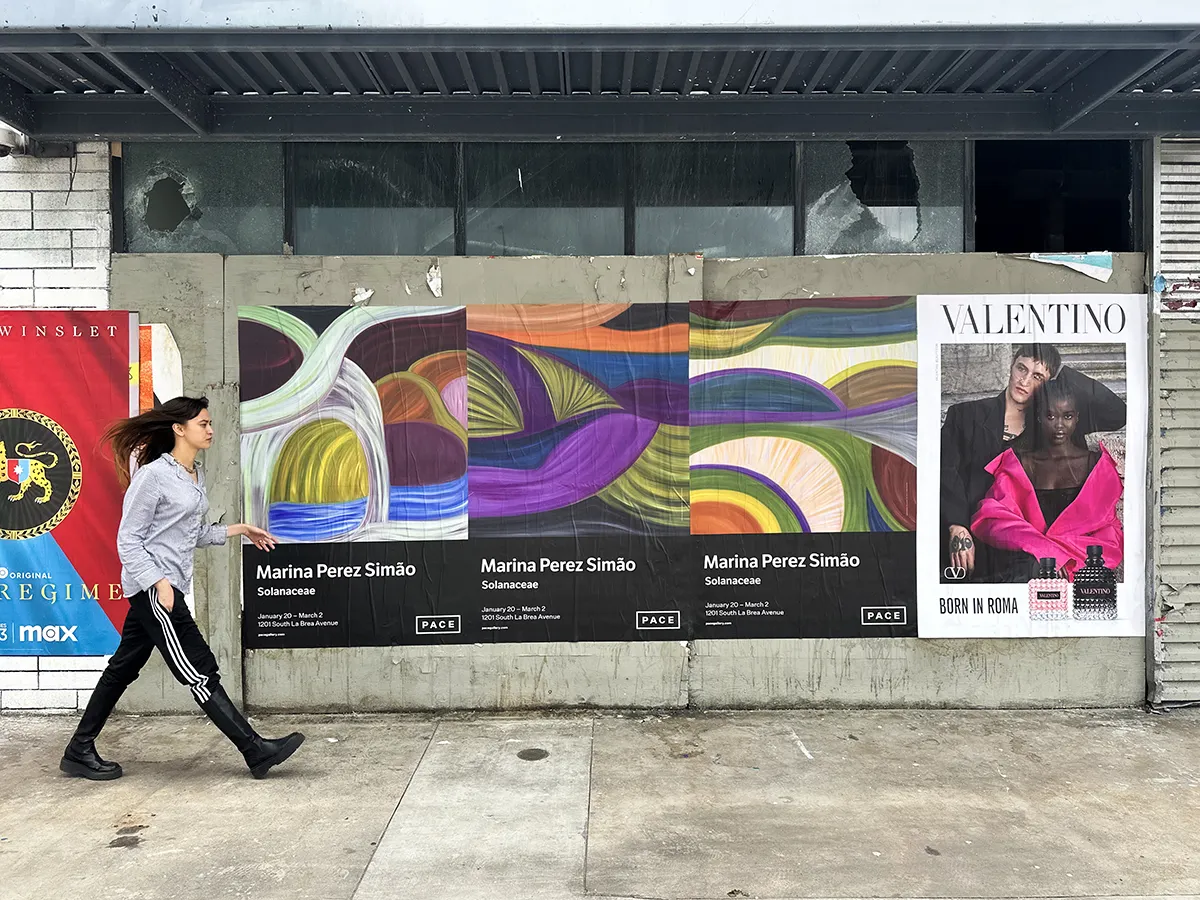
Most experiential marketing is built around control. You choose the space, control the environment, and people arrive expecting to engage.
Street-level experiential marketing works differently because the environment already exists before the campaign ever does. People are commuting, meeting friends, heading somewhere else, or already engaged in something else entirely. The campaign does not create the moment. It has to enter an existing one, and whether it works depends entirely on how well it fits into that behavior.
That is what defines street-level experiential marketing in cities like New York and Los Angeles. The success of the activation is not determined by how impressive it is, but by whether the environment allows it to happen at all.
A Busy Location Does Not Mean an Effective One
The first mistake most brands make is choosing locations based on volume, assuming that more people automatically leads to more engagement. In practice, most high-traffic areas are built for movement, not interaction, making them among the hardest places to run an experiential campaign.
A Midtown subway exit during rush hour can push thousands of people through a single point in minutes, but those same conditions make engagement almost impossible. People are moving quickly, focused on where they need to go, and actively avoiding anything that disrupts that movement. Even something visually strong will get ignored because it requires a pause that people are not willing to make in that moment.
Now compare that to a nightlife corridor in the Lower East Side. The total number of people may be lower, but the behavior is entirely different. People slow down, stand in groups, and look around as they decide where to go next. They are not trying to move through the space; they are spending time in it, which creates a real opportunity for interaction.
The difference between those two environments is not traffic. It is availability. If people are not in a position to stop, the campaign never really had a chance to begin with.
What Works in New York Comes Down to Intercepting Movement
New York forces speed and constant decision-making. People are constantly exposed to a high volume of visual information, which means they filter aggressively. Anything that does not register immediately is ignored without a second thought.
Because of that, experiential campaigns in New York have to be built around interception. Placement needs to sit directly within the path people are already taking, not slightly outside of it or dependent on people changing direction. Even a small shift away from that path can dramatically reduce engagement because people will not pause their movement to investigate something.
At the same time, interception alone is not enough. Engagement only happens when the activation is easy to understand, quick to process, and feels like it belongs in that environment. Compression points, such as intersections or areas where pedestrian flow naturally slows, create brief windows where this becomes possible. Outside of those moments, people continue moving, and the opportunity disappears just as quickly as it appeared.
In New York, success is not about drawing people in from a distance. It is about meeting them exactly where they already are and working within the pace they are moving.
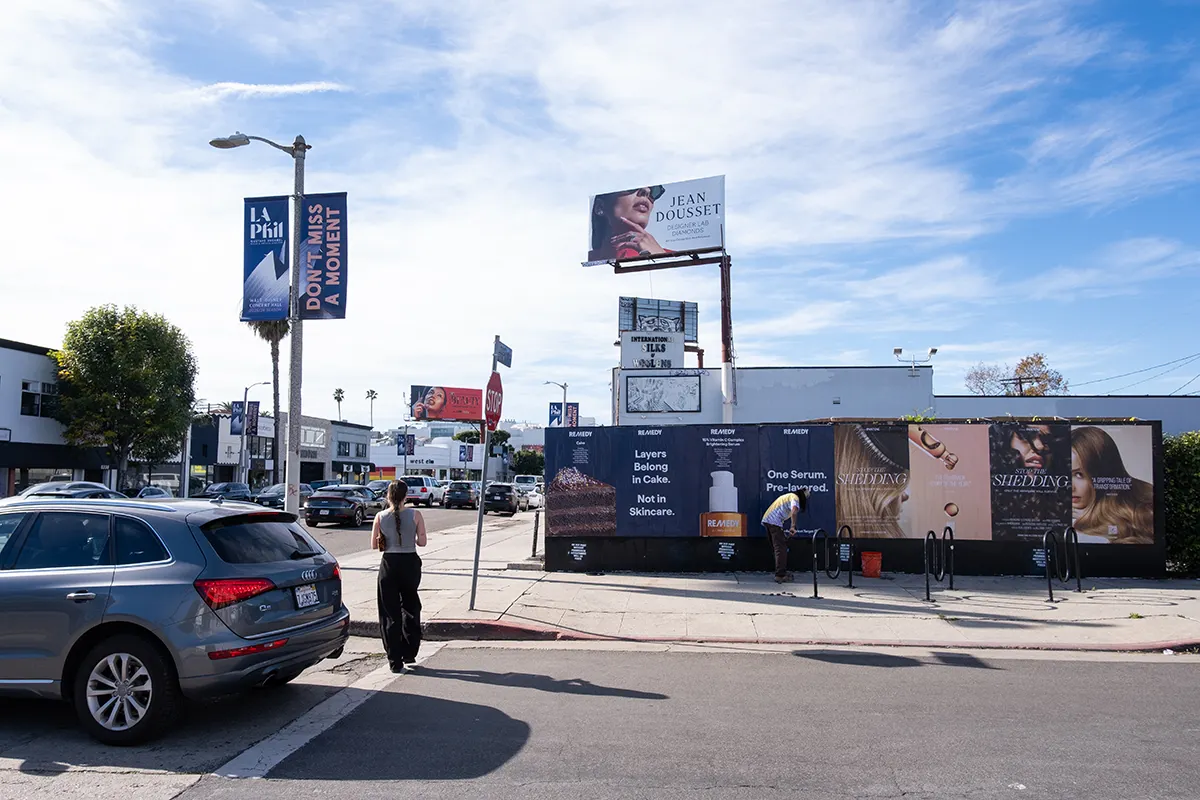
What Works in Los Angeles Comes Down to Where People Choose to Be
Los Angeles operates on a completely different pattern because movement is not continuous. People travel to specific places and then stay within them, which means engagement does not happen during movement but within destinations.
This shifts the strategy from interception to alignment. Instead of trying to catch people as they pass through, the campaign has to exist in environments where people have already decided to spend time. Retail streets, nightlife areas, and event-driven locations become the primary zones where experiential marketing can function.
The key question becomes: why are people there in the first place? Are they browsing, socializing, waiting, or exploring? When an activation matches that behavior, engagement feels natural and immediate. When it does not, even a strong build can go unnoticed because it is out of sync with the environment.
In Los Angeles, placement is less about visibility and more about context. The right activation in the wrong place will fail, while the same activation in the right environment can succeed quickly because people are already open to noticing something new.
How Street-Level Experiential Differs Between NYC and LA
Factor |
New York City |
Los Angeles |
Movement Type |
Continuous foot traffic, constant flow |
Fragmented, destination-based |
Engagement Trigger |
Intercepting movement |
Anchoring into where people stay |
Best Locations |
Intersections, subway-adjacent corridors, nightlife zones, dense retail areas |
Retail strips, nightlife clusters, event spaces, destination neighborhoods |
Attention Behavior |
Rapid filtering, immediate decisions |
Slower, context-driven attention |
Campaign Approach |
Fast visual clarity, direct placement within movement |
Context alignment, timing with environment |
Primary Risk |
Being ignored due to speed and overload |
Being invisible due to poor placement |
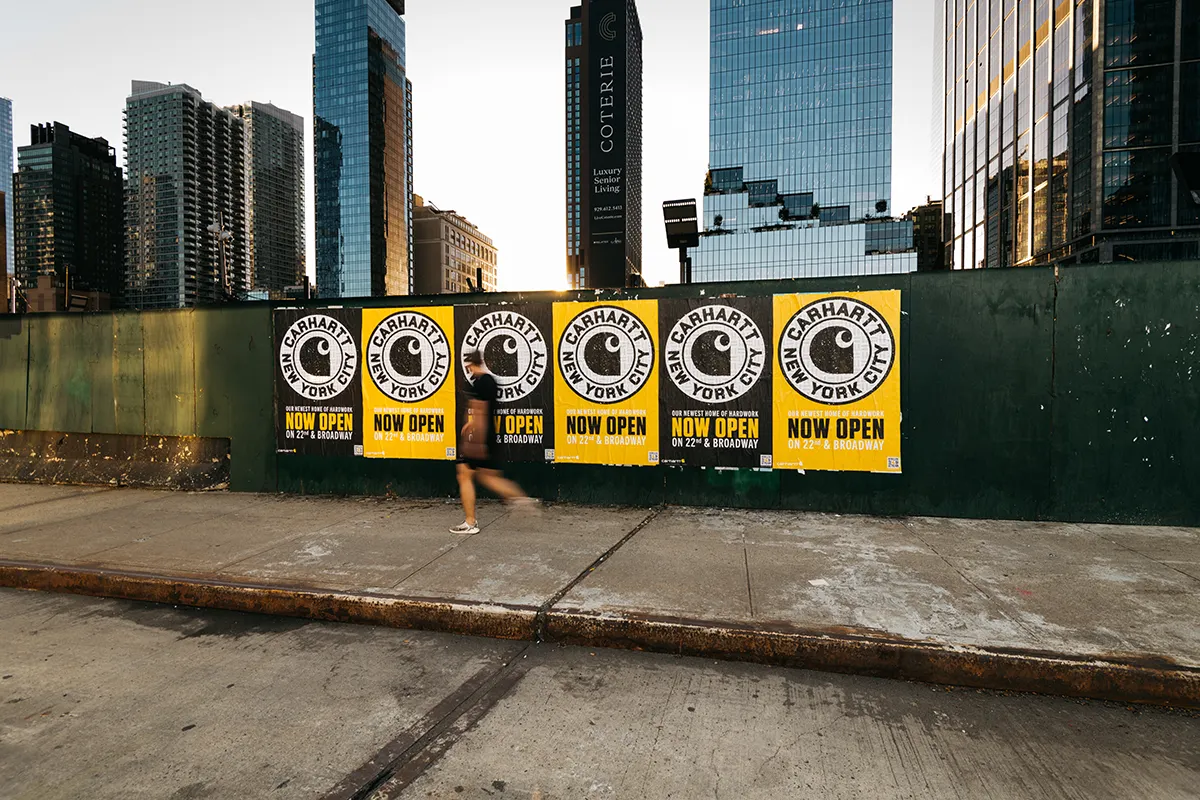
The Same Activation Can Succeed or Fail Based on the Street It Lives On
One of the most common misconceptions is that a strong creative idea will perform consistently across different environments. In reality, the street determines whether that idea has a chance to work at all. People are constantly filtering what they see, especially in dense urban environments. Anything that feels out of place, overly promotional, or difficult to process is ignored. This means that an activation has to do more than stand out. It has to fit.
In a nightlife corridor, people are already engaged with their surroundings. They are social, aware, and open to interaction, which gives the activation a natural entry point. In a retail environment, people are browsing and making decisions, creating a different kind of engagement opportunity. In a transit-heavy area, however, people are focused on movement, and even a well-designed activation has to compete with the urgency of the moment.
The idea itself does not drive the performance difference. It is driven by whether the environment supports that idea in the first place.
The Best Street Campaigns Extend Beyond the Street
Even when an activation succeeds in the moment, its impact is not limited to the people who were physically present. The strongest street-level campaigns create moments that people carry beyond the environments in which they occur.
This does not happen automatically. People only document and share experiences that feel worth capturing, which means the activation has to translate clearly through a phone and feel tied to that specific place and moment. When that happens, the campaign naturally extends into digital spaces, reaching audiences who were never physically there.
If that layer is missing, the campaign remains confined to its immediate surroundings. When it is present, the street becomes the starting point for broader visibility rather than the boundary.
Own the Streets with Posterize Media
Street-level experiential marketing is not about placing something impressive in a busy area and expecting people to engage with it. It requires a clear understanding of how different cities function, how people move within them, and when they are actually open to interaction.
New York demands speed, precision, and placement within constant movement, where attention is limited, and decisions happen instantly. Los Angeles requires alignment with destinations and intent, where engagement depends on being present in the environments people actively choose to spend time in. In both cases, the success of a campaign depends less on the activation itself and more on whether it fits the behavior of the surrounding space.
When placement, timing, and context are aligned, the campaign does not interrupt what people are doing. It becomes part of it, which is what allows it to be noticed, engaged with, and remembered long after the moment has passed.