What Is Experiential Marketing?
How Brands Create Attention Around a Launch
A launch can have a media budget, a press release, a social calendar, and a complete internal rollout plan and still pass without creating a moment people notice. The campaign may technically reach its audience but reach alone does not give people a reason to stop, visit, try, participate, photograph, or talk. That is usually the problem behind a request to “create buzz.” The business does not simply want more exposure. It wants attention that produces a meaningful public response.
An experiential marketing agency, like ours, creates that response by giving people a way to encounter, participate in, or interact with a brand instead of only receiving a message from it. That experience might generate product trials, store visits, leads, press coverage, social content, or concentrated visibility around a launch. The right approach depends on which outcome matters most because each one requires a different type of encounter. A brand does not need to begin with a finished activation idea. It needs to define what people should notice, understand, feel, or do so the right experience can be built around that objective.
Most Teams Do Not Start by Asking for an Experiential Marketing Agency
A business rarely begins with a fully formed request for an experiential campaign. It begins with a product that needs trial, a store opening that needs foot traffic, a launch that needs attention, or a brand entering a market where it has little physical presence. The team knows it needs a stronger response but may not know whether that means a projection, pop-up, sampling program, street team, public installation, or another type of activation. That uncertainty is normal. Choosing the format is part of the agency’s job.
The more important starting point is identifying what “attention” needs to accomplish. A campaign designed to generate store visits must give people both a reason and a route to visit. A campaign designed around product trial must make the product accessible, understandable, and easy to experience. A campaign intended to generate press interest needs a timely, visual, and reportable reason for media outlets to cover it. Those are all forms of experiential marketing, but they require different concepts, locations, operations, and measurements.
The same distinction applies to awareness and social content. Awareness requires visibility among the right people in the right context, not merely a large theoretical audience. Social content requires a moment that remains understandable after it has been reduced to a photograph or short video. Someone who was not present should still be able to recognize what happened, which brand created it, and why it mattered. Experiential marketing connects the live encounter to those larger marketing goals instead of treating the physical execution as an isolated event.
What Experiential Marketing Actually Means
Experiential marketing is a campaign designed to let people directly encounter or interact with a brand. The experience may be live, public, mobile, temporary, physical, or supported by digital elements. It can be a large public launch, but it can also be a focused demonstration, sampling program, installation, or neighborhood activation. Scale does not determine whether a campaign is experiential. What matters is that the audience has a defined role beyond simply viewing a message.
An event is not automatically experiential. A conference booth, sponsorship, display, or public gathering becomes experiential when the audience journey has been intentionally designed. The campaign must account for what attracts people, what they understand when they approach, what they can do, and what should happen afterward. Simply placing a logo or branded structure in a busy location does not create that journey. The experience must connect the brand, the audience, and the desired response.
| Conventional campaign question | Experiential question | Practical effect |
| What message should we show? | What should people notice, understand, or do? | The concept is built around a response, not only a headline. |
| Where should the ad run? | Where can people encounter the brand in a relevant context? | The location becomes part of the campaign. |
| How many people can we reach? | What action can the experience produce? | Measurement can include visits, trials, scans, leads, or participation. |
| Which format should we buy? | Which format best serves the objective? | The medium follows the strategy instead of leading it. |
Experiential marketing is therefore better understood as a planning approach than as a single advertising format. It can work alongside public relations, paid media, social media, email, and content, but it gives the audience a more active role. The campaign is not only asking people to look at something. It is creating a controlled opportunity for them to enter, try, visit, respond, share, or remember.
What Experiential Marketing Can Look Like
There is no universally best experiential activation. The right option depends on the response the brand needs, the audience it wants to reach, the market it is entering, the timing of the launch, and the practical limits of the budget. A visually dramatic execution may be appropriate when a launch needs concentrated public attention. A repeated street-level campaign may be more effective when the goal is to establish a sustained presence across a neighborhood or market. The format must follow the objective rather than being selected because it looks impressive.
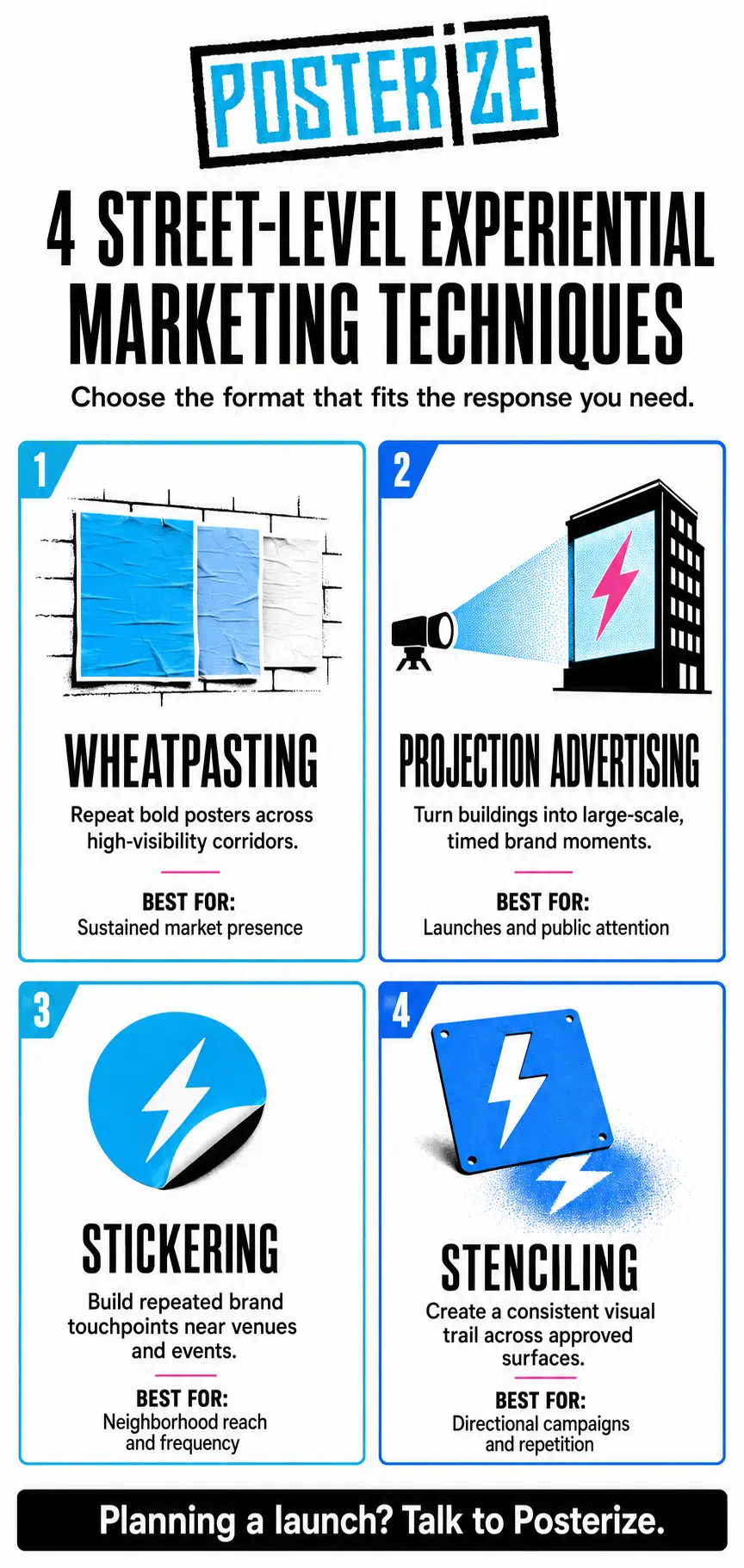
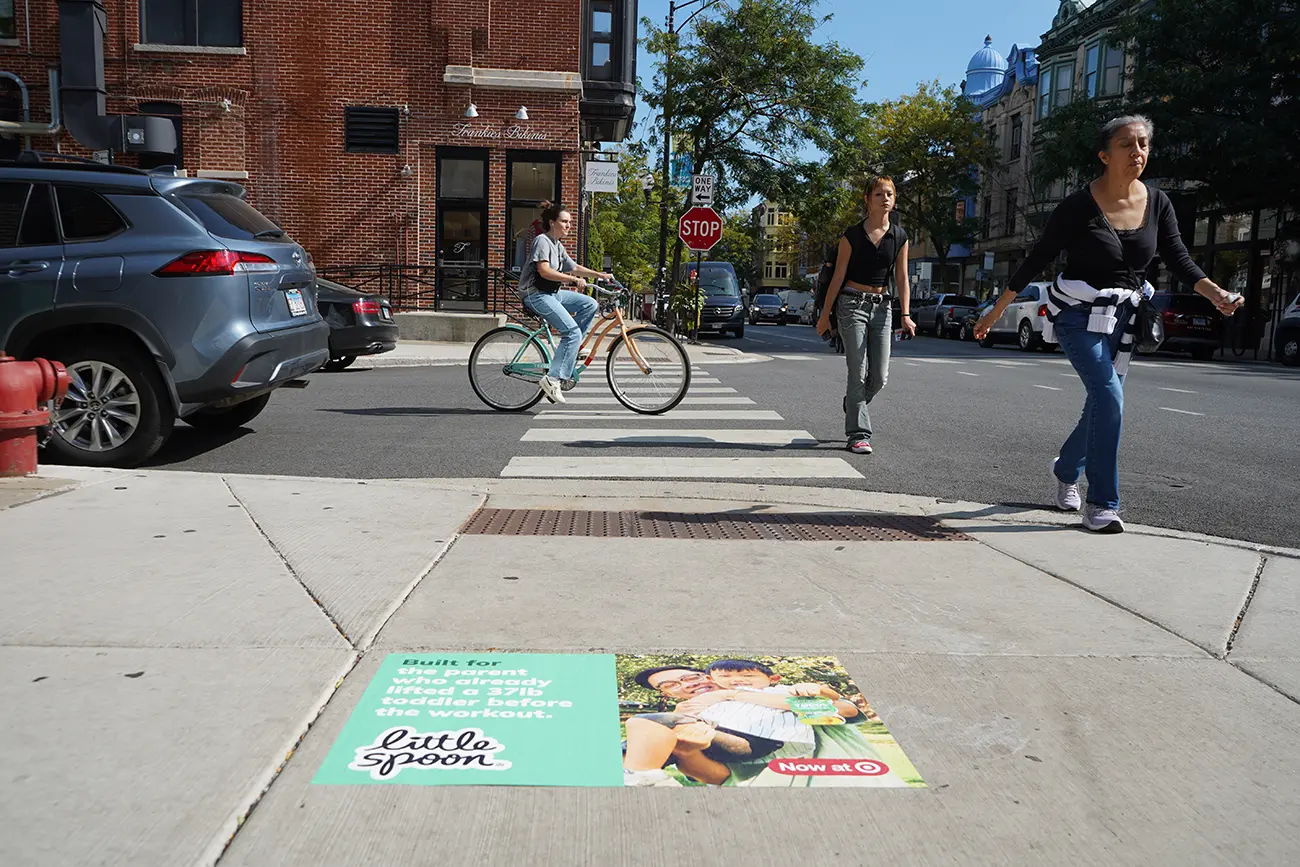
Some experiential campaigns use pop-ups, sampling stations, product demonstrations, mobile units, performances, or temporary installations. These formats can encourage people to enter a space, try a product, visit a destination, or participate directly. Street-level experiential marketing can also use the existing city environment to create repeated or highly visible brand encounters. Four of the most common techniques Posterize produces are:
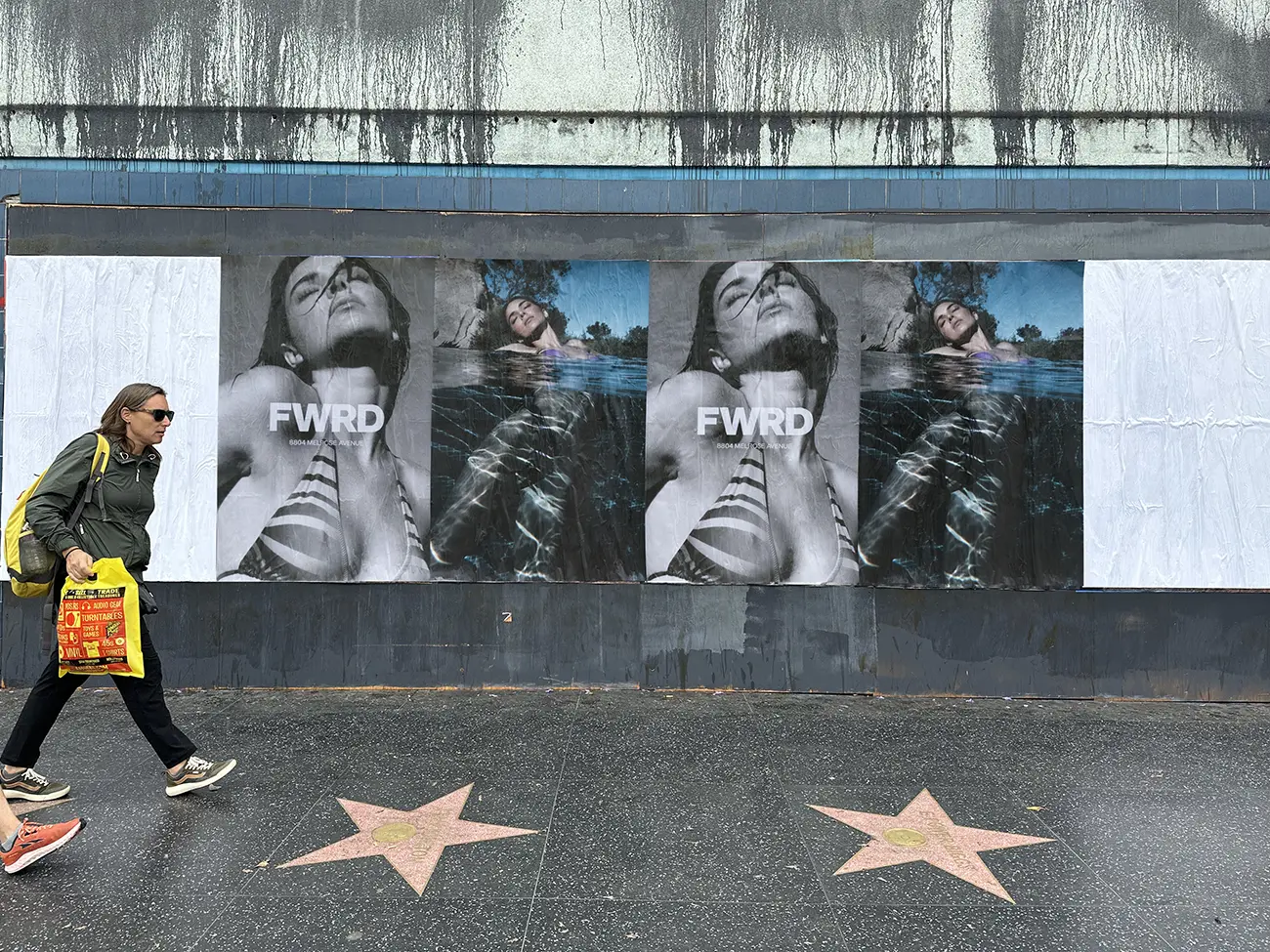
- Wheatpasting:Large printed posters are installed across selected walls, construction barriers, storefront coverings, and other approved street-level surfaces. A wheatpasting campaign can take over a single prominent wall or repeat the same creative throughout multiple neighborhoods. The repetition helps the brand establish a visible market presence as people encounter the campaign during their normal movement through the city.
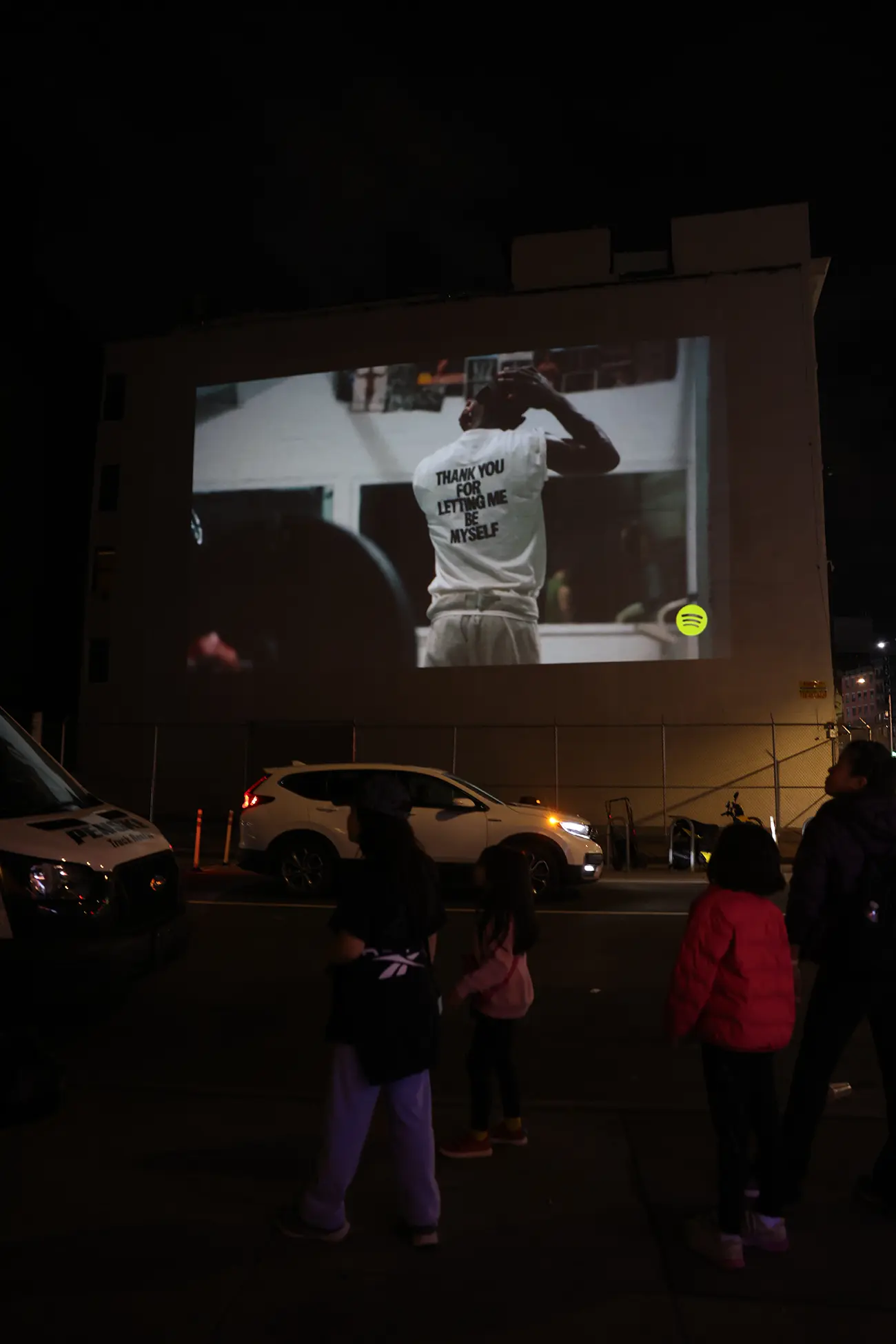
- Projection advertising:Branded creative, video, animation, or campaign messaging is projected onto a building or other large surface. Projections can create a timed public reveal, support a launch or event, or turn a familiar location into a temporary branded experience. Their scale and movement make them especially useful when the campaign needs immediate visibility and strong photography or video.
- Stickering:Branded stickers are placed across selected areas to create smaller, repeated encounters near venues, events, retail districts, nightlife areas, or other relevant locations. Stickering can extend a larger campaign into places where posters or installations would be impractical. It can also help a brand feel present throughout a neighborhood rather than confined to one primary placement.
- Stenciling:A campaign design or message is applied repeatedly through a reusable stencil process on approved surfaces. Stenciling creates a consistent visual trail that can connect locations, direct attention toward an event or destination, or reinforce a larger street campaign. Because the same design can appear at multiple points, the execution works particularly well when repetition and geographic movement are part of the idea.
These techniques can operate independently, but they can also be combined with sampling, street teams, pop-ups, product seeding, performances, or other live elements. Wheat pasting might establish visibility throughout a market before a launch, while stickers or stencils create additional touchpoints near the event location. A projection can then concentrate attention into one scheduled public moment. The campaign becomes experiential through the way these elements shape the audience’s encounter with the brand and direct that attention toward a meaningful response.
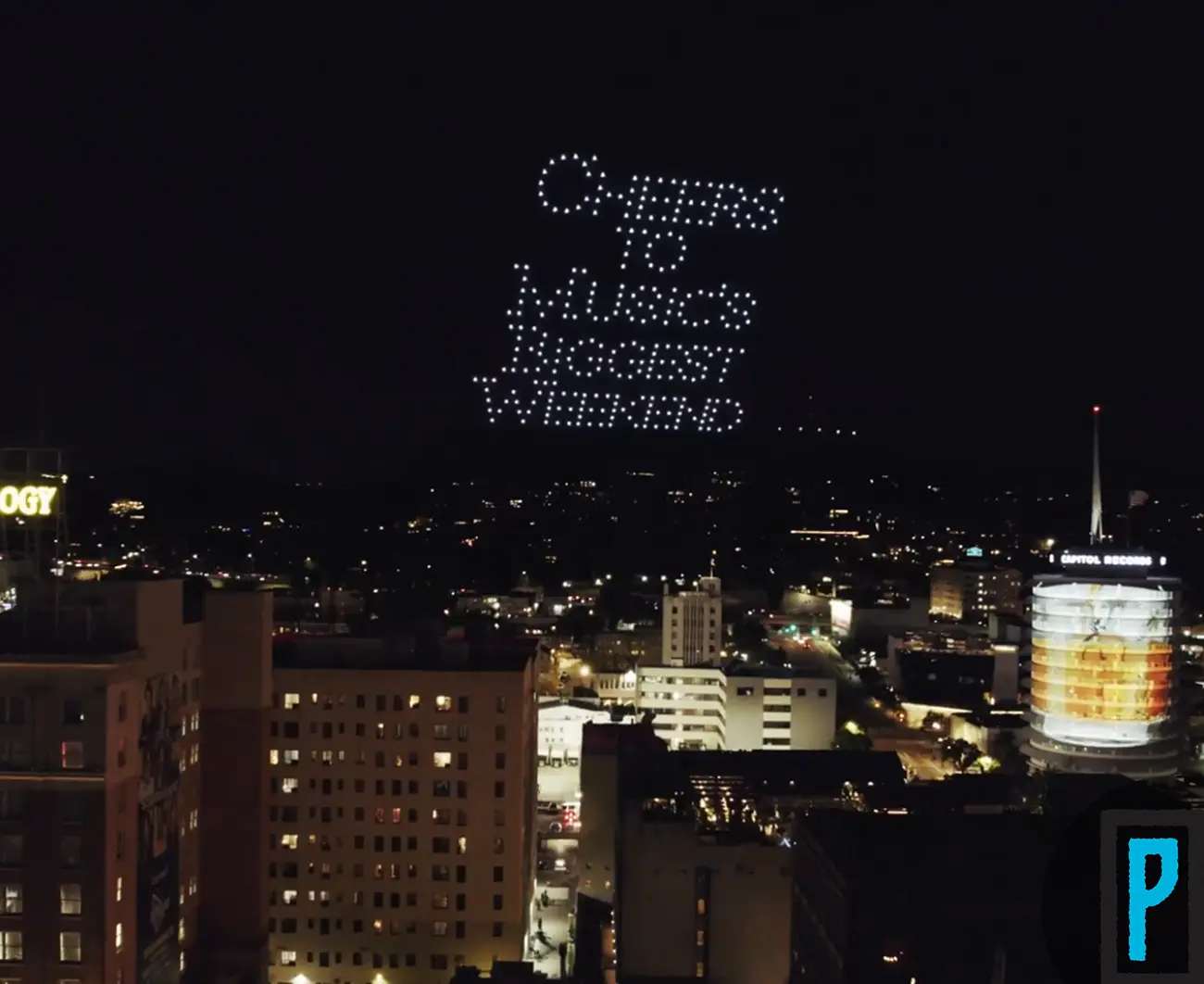
Posterize used this concentrated-visibility approach for a Johnnie Walker activation at Capitol Records during Grammy weekend. The campaign combined a custom building projection with a synchronized drone show, placing the brand inside an existing moment of heightened attention in Los Angeles. Its impact did not come only from the size of the execution. It came from the relationship among the brand, location, timing, live audience, and visual material created by the activation.
Why a Real-World Experience Can Change the Response
The value of an experiential marketing agency does not come from novelty or scale alone. A large installation can attract attention and still fail to explain the launch, connect the moment to the brand, or direct people toward a next step. The experience must make the brand, product, or desired action easier to notice, understand, try, or pursue. Otherwise, people may remember the spectacle while overlooking the business behind it.
Physical context changes how people interpret a campaign. Timing can connect an activation to a product launch, cultural moment, conference, festival, or major event. Location can place the brand near a relevant audience, venue, retailer, or neighborhood. Movement, sound, proximity, and participation can make the encounter more immediate than a message viewed on a screen. None of those elements is automatically valuable, but together they can give the audience a stronger reason to stop and engage.
That engagement can produce several observable responses:
- Entering a branded space or visiting a nearby destination
- Trying a product or watching a demonstration
- Scanning for information, registering, or submitting an inquiry
- Photographing, recording, or sharing the activation
- Participating in an installation, performance, or live experience
These actions do not automatically prove that the campaign succeeded. Their value depends on how closely they connect to the original objective. A product trial should clarify a meaningful benefit. A scan should lead to relevant information. A registration should support purposeful follow-up. A photograph or video should preserve enough brand and campaign context to remain useful when it appears elsewhere.
The same principle applies to measurement. A foot-traffic campaign may track visits, while a sampling campaign may track products distributed and subsequent actions. Other useful signals can include scans, registrations, leads, sales, media coverage, branded search, direct traffic, and approved content assets. Experiential marketing gives the campaign more specific behaviors to evaluate than visibility alone, but the metrics must still answer the original business question.
How to Begin Without Knowing the Right Activation
You do not need to decide whether your campaign should use a projection, pop-up, street team, sampling program, installation, or multi-market street campaign before contacting Posterize. That recommendation should come after we understand what you are launching, who needs to notice, where the campaign needs to happen, and what response would make the investment worthwhile.
Tell us what the launch needs to accomplish, the audience and market you want to reach, the date or timing you are working toward, and any known budget, brand, or location requirements. We can evaluate the available options, identify the formats that fit, and explain what can realistically be produced under those conditions. If the original idea is not the strongest solution, we can recommend a different direction, scope, or combination of services.
Experiential marketing starts with a business that needs people to do more than see another advertisement. Posterize builds the physical campaign around that need, then coordinates the planning, production, installation, documentation, and measurement required to bring it into the real world.